Competitive Intelligence Report
Robot Landscape & Competitive Analysis
Infinite Machine · April 2026 · 56 companies · 102 products tracked
Contents
Executive Summary
The autonomous ground vehicle market is experiencing rapid growth across multiple verticals — from defense and agriculture to last-mile delivery and consumer lawn care. This report tracks 56 companies and 102 products across the competitive landscape relevant to Infinite Machine's autonomous, rideable, multi-purpose ground vehicle platform.
Of these, 3 companies represent direct competitive overlap, 9 have partial overlap, and 9 operate in adjacent markets. The remaining 35 companies are tangential or ecosystem players that inform market direction without directly competing.
IM's core differentiation — a ~250 lb configurable platform with 500+ lb payload, 20+ mph speed, 50+ mile range, L3-L4 autonomy, and IP67 waterproofing at a $15K-$30K price point — occupies a unique niche between lightweight delivery bots (<100 lbs), heavy military UGVs (>1,000 lbs), and consumer UTVs that lack autonomy. No single competitor matches this full specification set.
56
Companies Tracked
102
Products Cataloged
12
Direct / Partial Threats
19
Robot Categories
IM Competitive Position
Infinite Machine sits at the intersection of several converging markets. The platform's versatility — rideable by a human operator, fully autonomous, or remotely controlled — means it draws competitive parallels from multiple directions simultaneously.
IM Platform Specifications
Weight
~250 lbs
Payload
500+ lbs
Speed
20+ mph
Range
50+ miles
Battery
72V LiFePO4
Autonomy
L3-L4 (IM OS)
Price
$15K-$30K
Waterproof
IP67
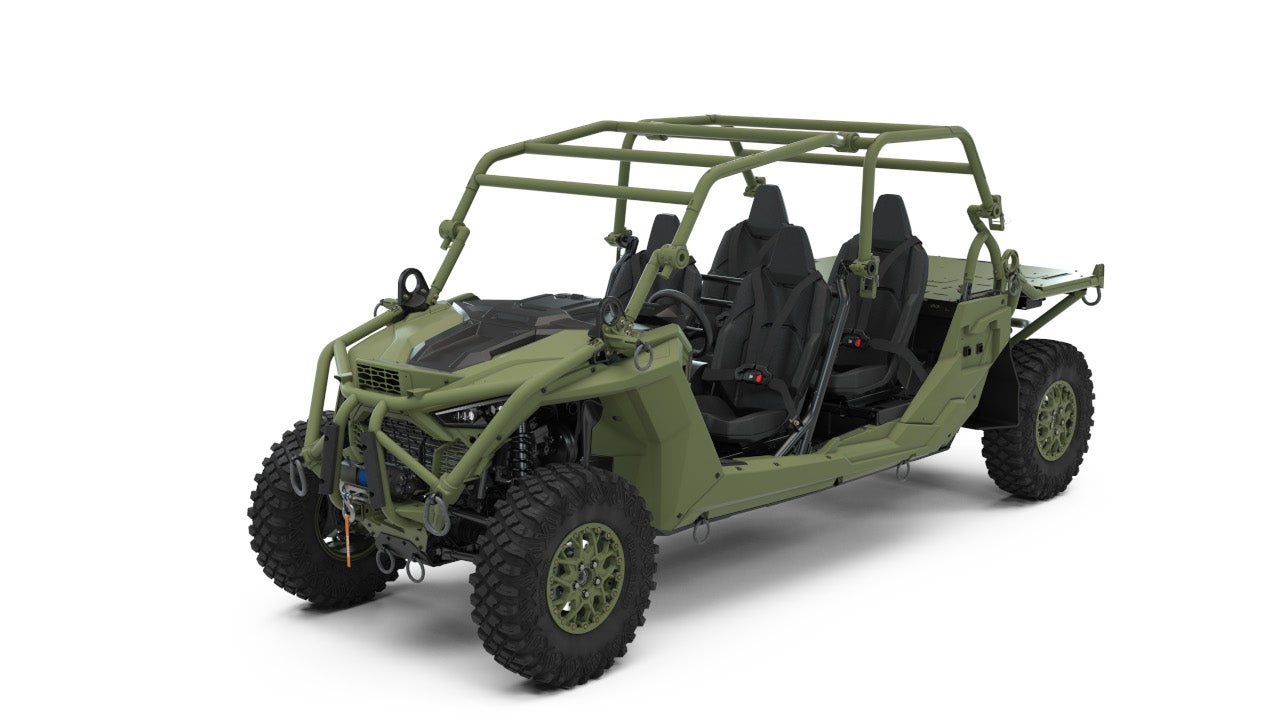
From the defense sector, platforms like Clearpath Robotics's Husky and Warthog UGVs offer comparable ruggedness and autonomy, but at significantly higher price points targeting military procurement cycles. From the consumer side, Polaris Rangers and Club Car Carryalls offer utility vehicle form factors but without meaningful autonomous capability. From the delivery sector, companies like Nuro and Starship Technologies have proven sidewalk autonomy but in much smaller, lighter form factors.
This positioning gives IM a strategic advantage: the ability to serve use cases that are too heavy for delivery robots, too cost-sensitive for military platforms, and too autonomous for traditional UTVs.
Direct Competitors
Three companies represent the most direct competitive overlap with IM's platform, offering configurable autonomous ground vehicles in comparable size and capability ranges.
Clearpath Robotics — The Established Leader

Acquired by Rockwell Automation for $1.4B, Clearpath is the gold standard in research and military UGVs. Their Husky, Jackal, and Warthog platforms span light-to-heavy payload ranges with their OutdoorNav autonomy stack. However, their pricing ($20K-$100K+) and R&D-focused go-to-market leaves a gap in commercial/prosumer applications that IM can fill.
AgileX Robotics — The Shenzhen Challenger
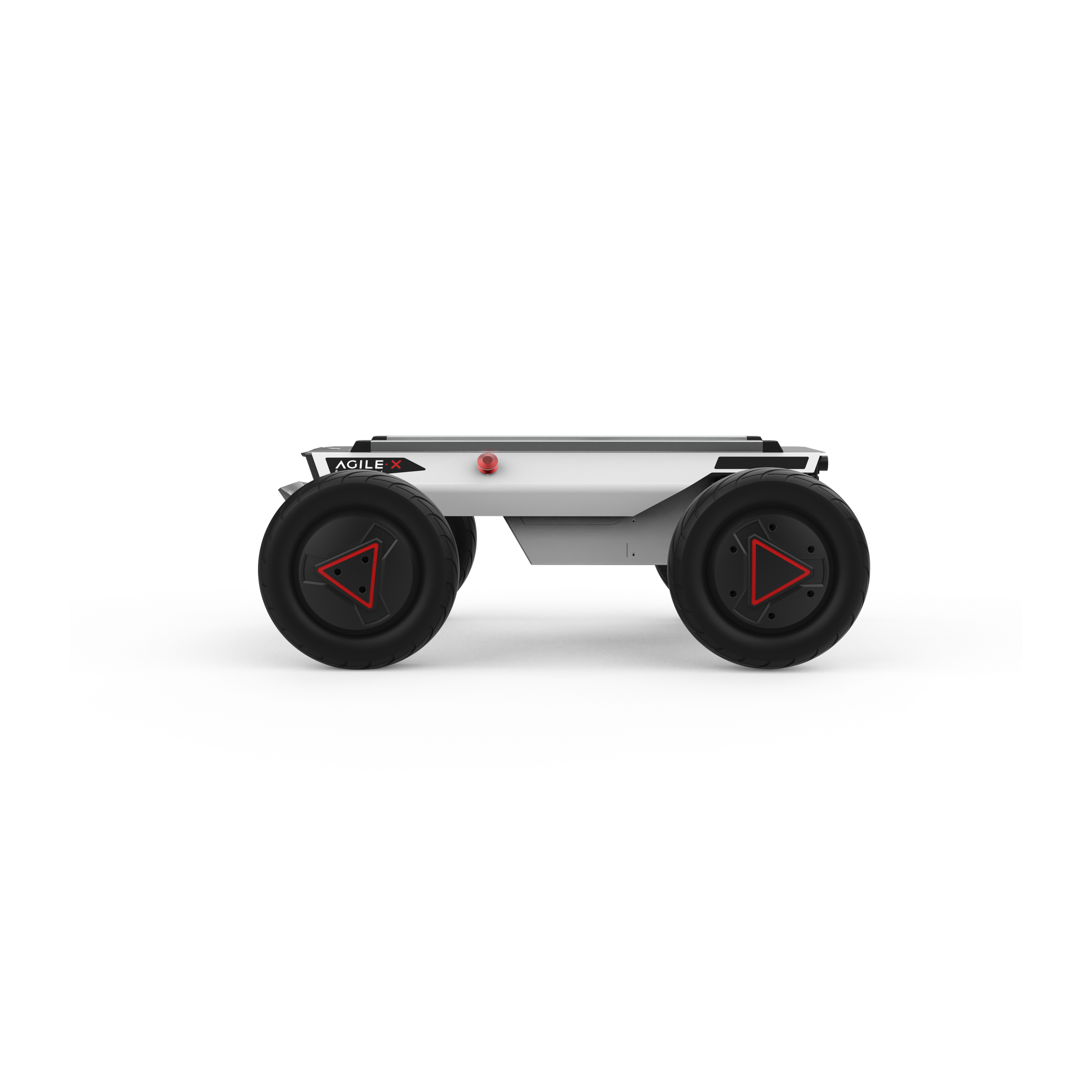
AgileX offers a range of configurable wheeled and tracked robots (Ranger Mini, Hunter SE, Scout Mini, Bunker Pro) at aggressive price points from Shenzhen. Their platforms are popular in research and light industrial use. While individually smaller than IM's platform, their rapid iteration cycle and component-level pricing pose a competitive threat on the lower end.
Applied EV — The Autonomous Chassis

Applied EV's Blanc Robot takes a software-defined vehicle approach — a cabinless autonomous electric chassis that can be configured for delivery, logistics, or industrial transport. Their "Digital Backbone" architecture is conceptually similar to IM's modular approach. Based in the UK with government backing, they represent the closest philosophical competitor.
Partial Overlap
Nine companies share meaningful but incomplete overlap with IM. These represent competitors in specific use cases or form factors, but none cover IM's full capability set.
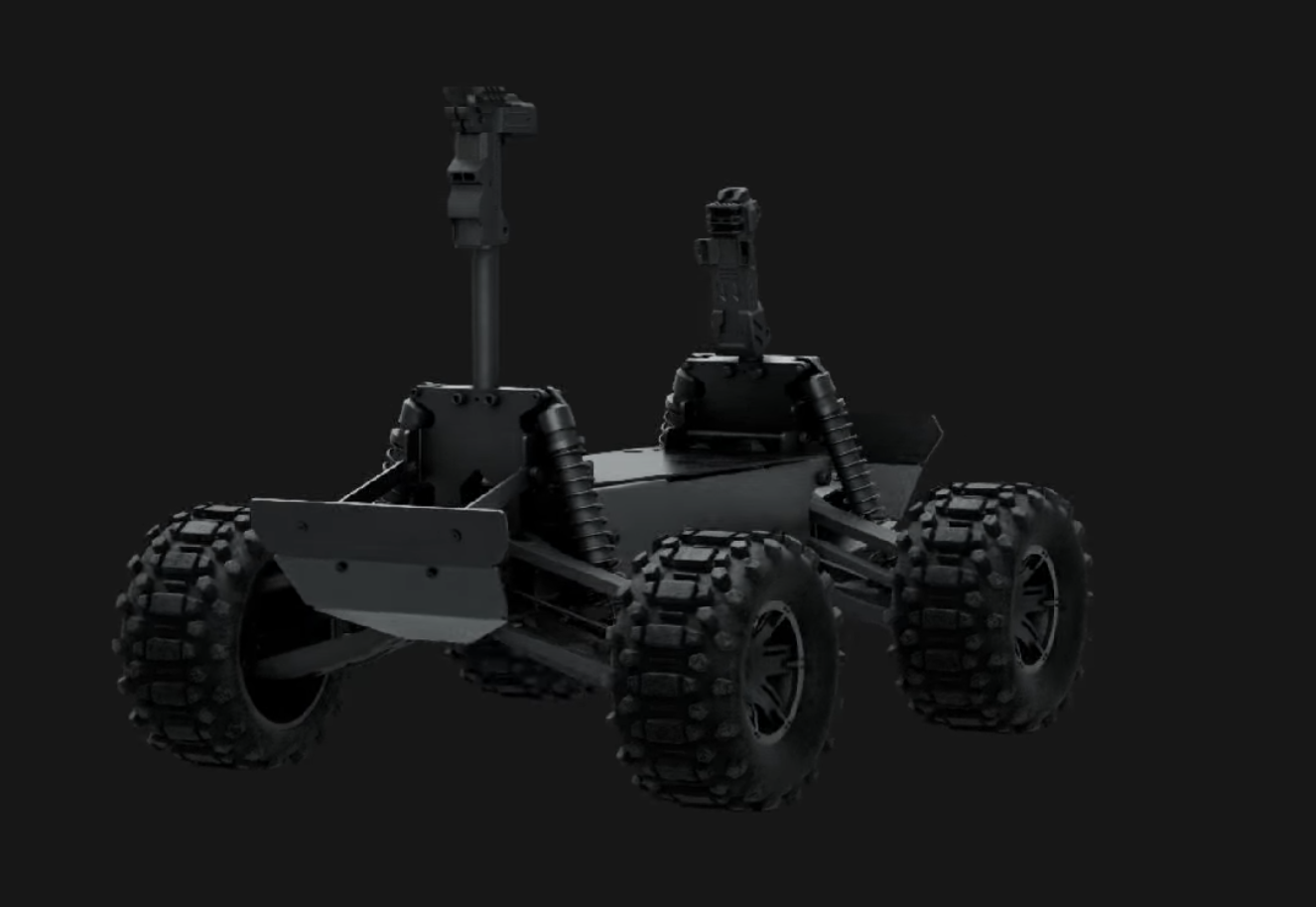
Ark Robotics
Tallinn, Estonia / Kyiv, Ukraine

Ghost Robotics
Philadelphia, PA

Levtek
Australia
Knightscope
Mountain View, CA
Club Car
Augusta, GA
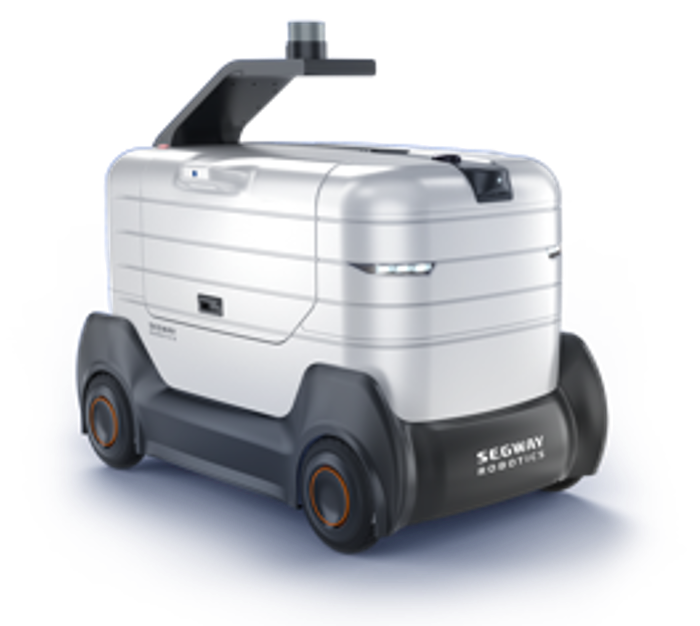
Segway-Ninebot
Beijing, China
Greensi
Melbourne, Australia
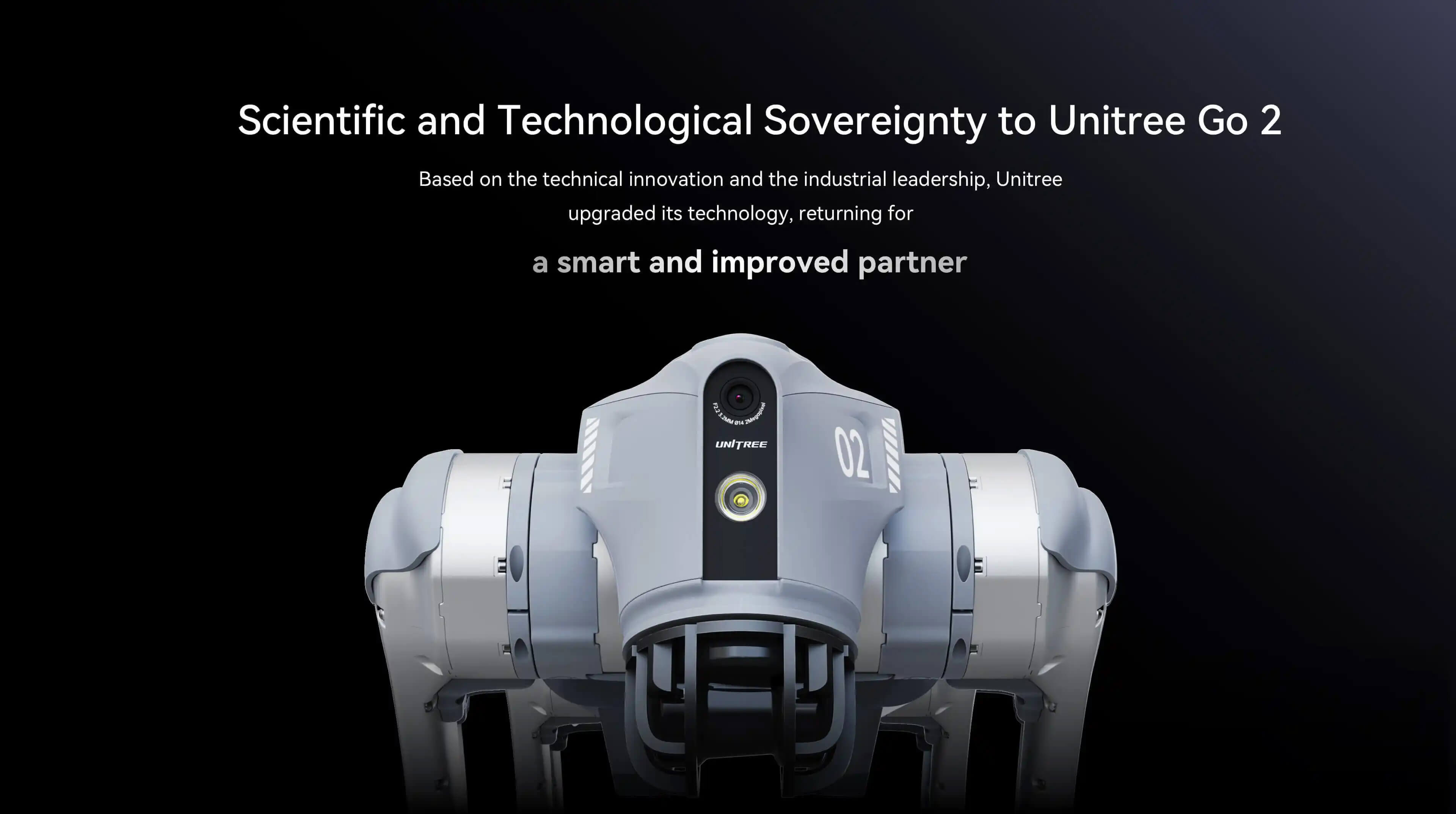
Unitree Robotics
Hangzhou, China

Ascento
Zurich, Switzerland
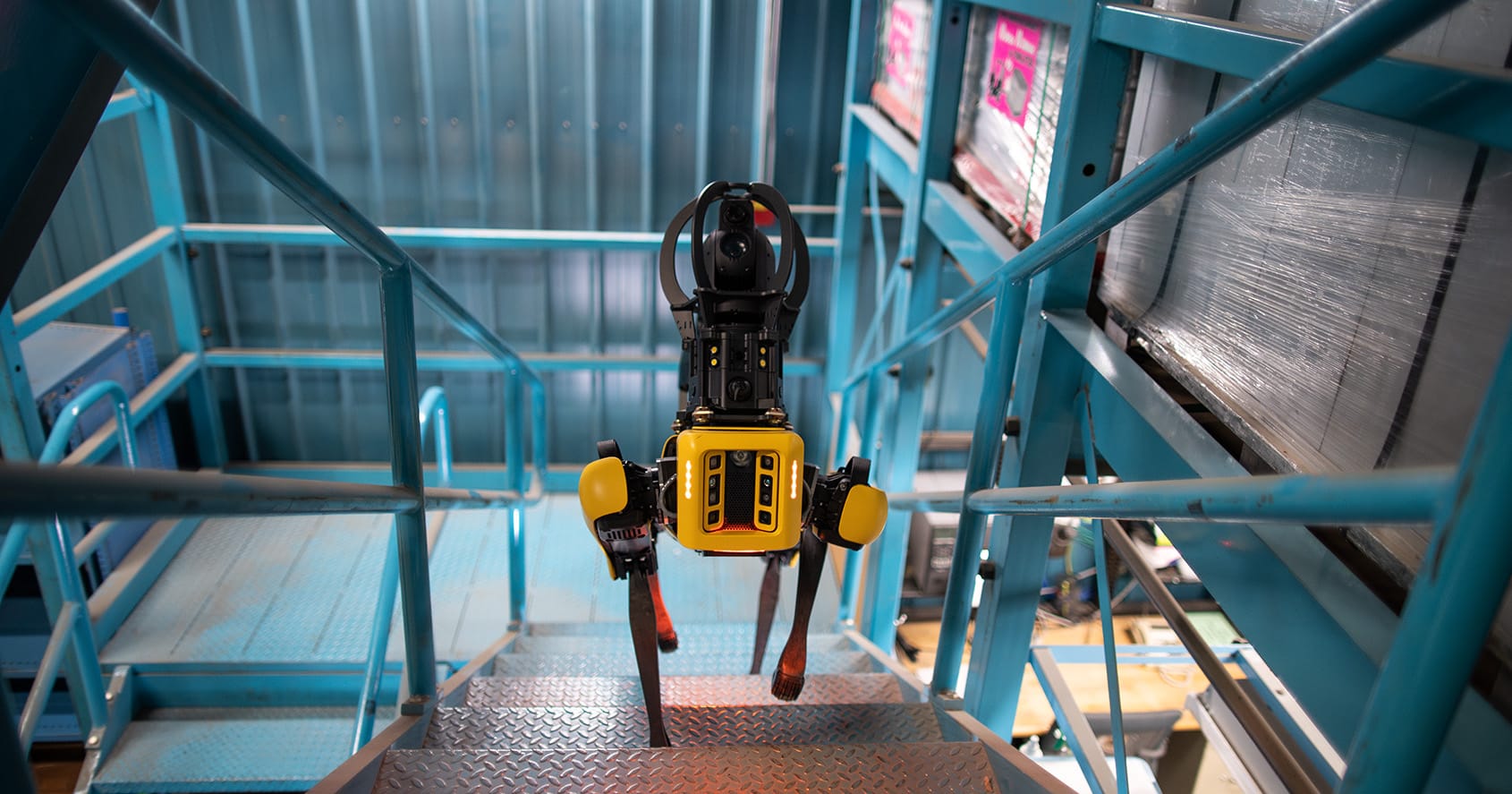
Notable among these: Unitree Robotics has emerged as a formidable robotics conglomerate, offering quadruped robots (Go2, B2) alongside humanoids (H1, G1) at prices that undercut Western competitors by 50-80%. Their Go2 starts at $1,600 — fundamentally different from IM but indicative of the pricing pressure Chinese robotics firms can exert.
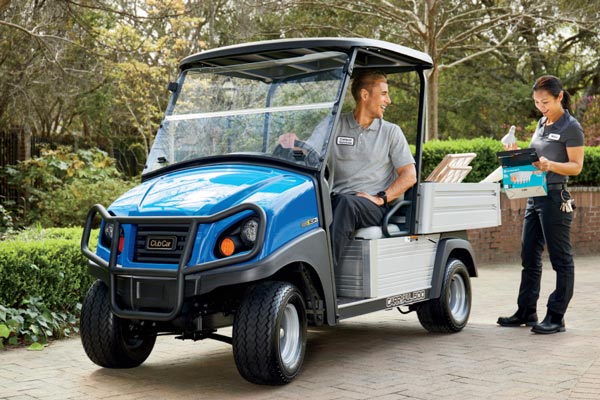
Segway-Ninebot represents a consumer crossover threat — their Navimow robotic mower and delivery robot demonstrate autonomous navigation in consumer form factors. Club Car and Polaris own the utility vehicle market but are only beginning to explore autonomy, creating a window of opportunity for IM.
Defense & Military
The defense sector represents 9 tracked companies and is the most heavily funded segment. Military UGVs operate at much higher price points ($100K-$1M+) with procurement cycles measured in years, but their autonomy stacks and ruggedization requirements closely mirror IM's technical challenges.
Ghost Robotics's Vision 60 quadruped has become the U.S. military's go-to legged robot for perimeter security and reconnaissance. At ~100 lbs with a 10+ lb payload, it demonstrates that military buyers value autonomous mobility — a validation of IM's core thesis, albeit in a different form factor.
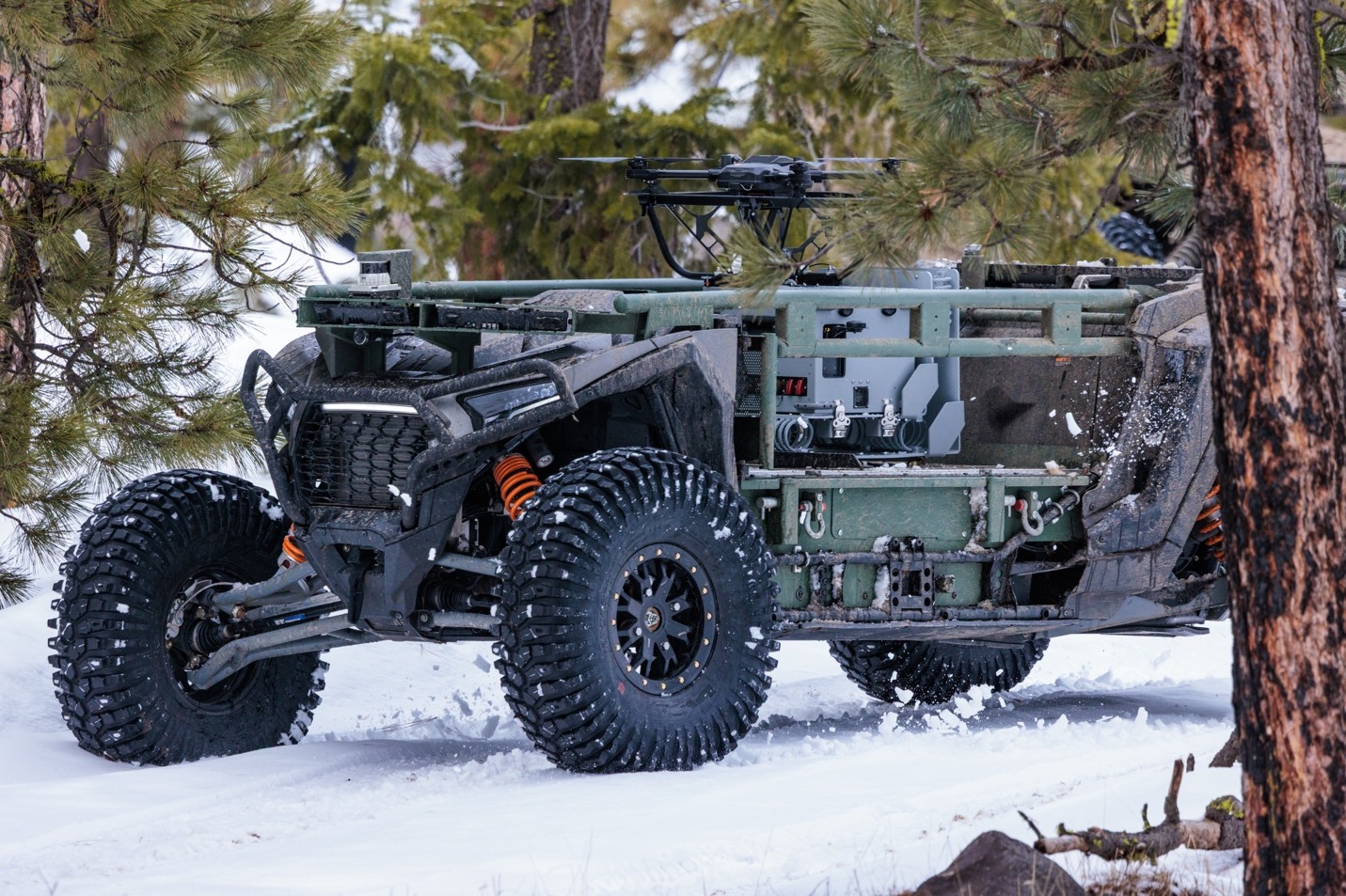
The adjacent military players — Overland AI, Forterra, Milrem Robotics, and Anduril Industries — focus on larger platforms and software-defined autonomy stacks. Their R&D investments in off-road autonomy, swarm coordination, and ruggedized electronics create technology that will eventually trickle into commercial applications.
Delivery & Logistics
Last-mile delivery is the most crowded autonomous ground robot segment with 17 companies tracked. Most operate lightweight (<100 lb) sidewalk robots at low speed (3-4 mph), creating a clear differentiation from IM's heavier, faster, off-road-capable platform.
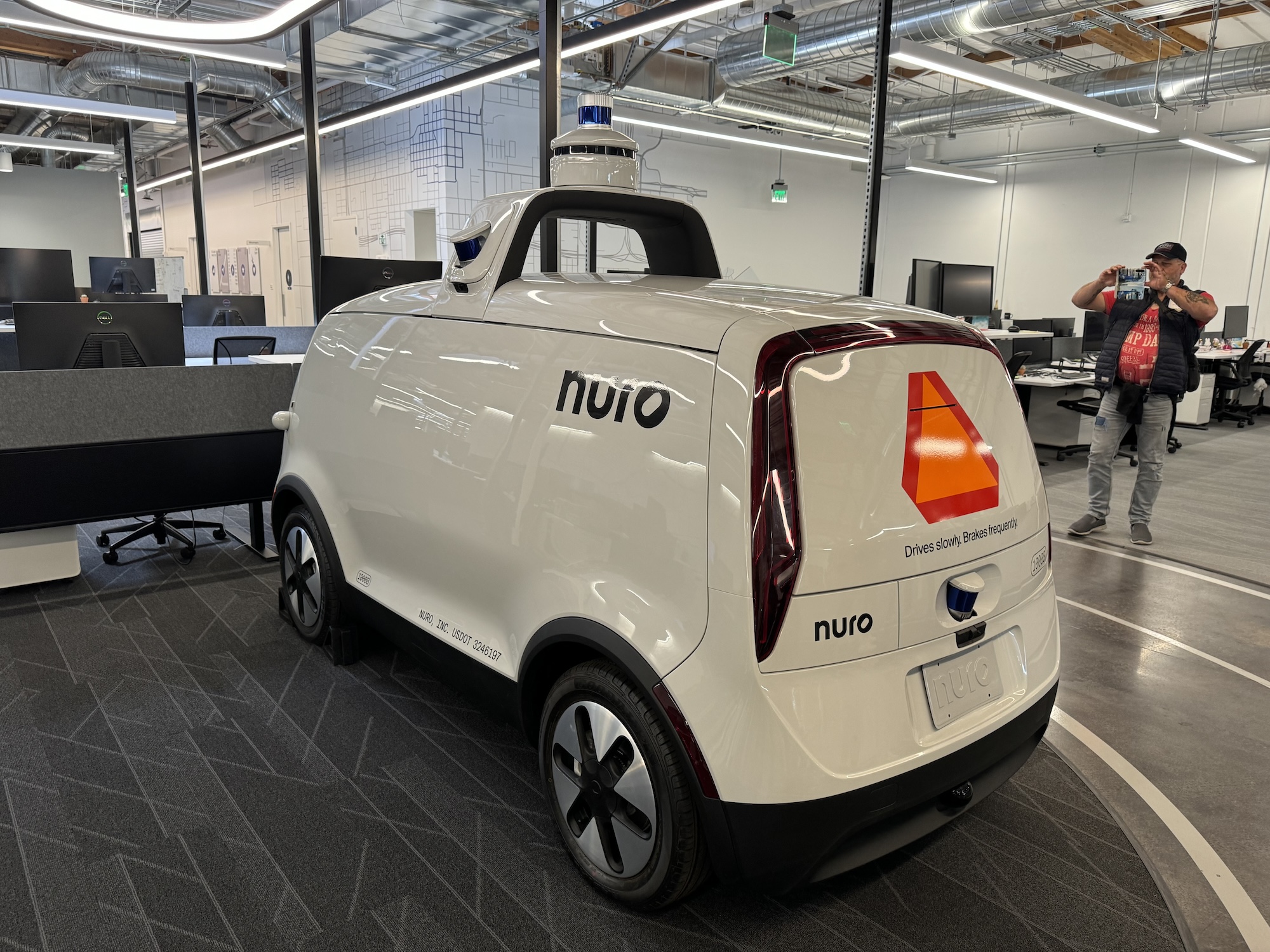
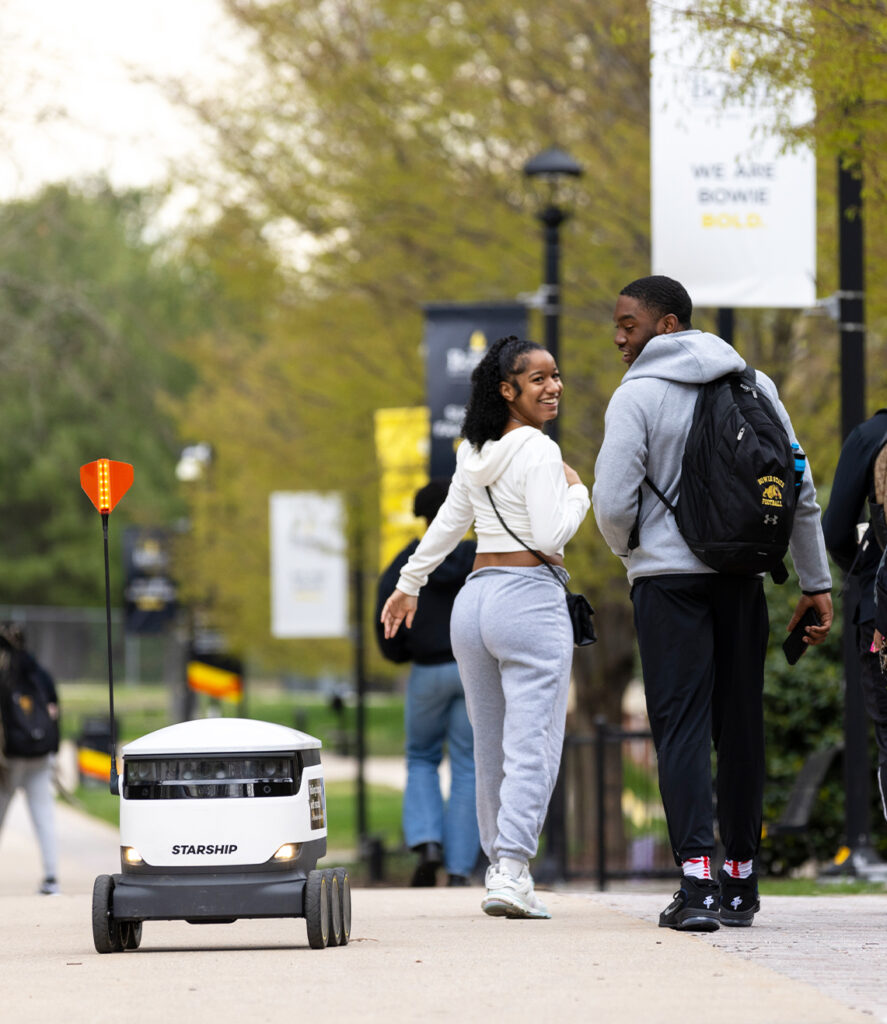
Starship Technologies leads in deployed fleet size with 6,000+ robots across college campuses and suburbs. Nuro raised over $2.1B to build road-legal autonomous delivery vehicles — a much heavier platform (~1,500 lbs) that validates the market for autonomous ground transport but at vastly different scale. Cartken has notably achieved profitability with under $25M raised, using a vision-only stack without LiDAR.
Opportunity for IM: The delivery segment proves consumer acceptance of autonomous ground vehicles. IM's higher payload capacity (500+ lbs vs. 20-50 lbs) could serve commercial delivery, campus logistics, and industrial material transport that current delivery bots cannot handle.
Agriculture & Outdoor
Agricultural robotics represents a 6-company segment characterized by large, well-funded players automating traditional farming equipment.
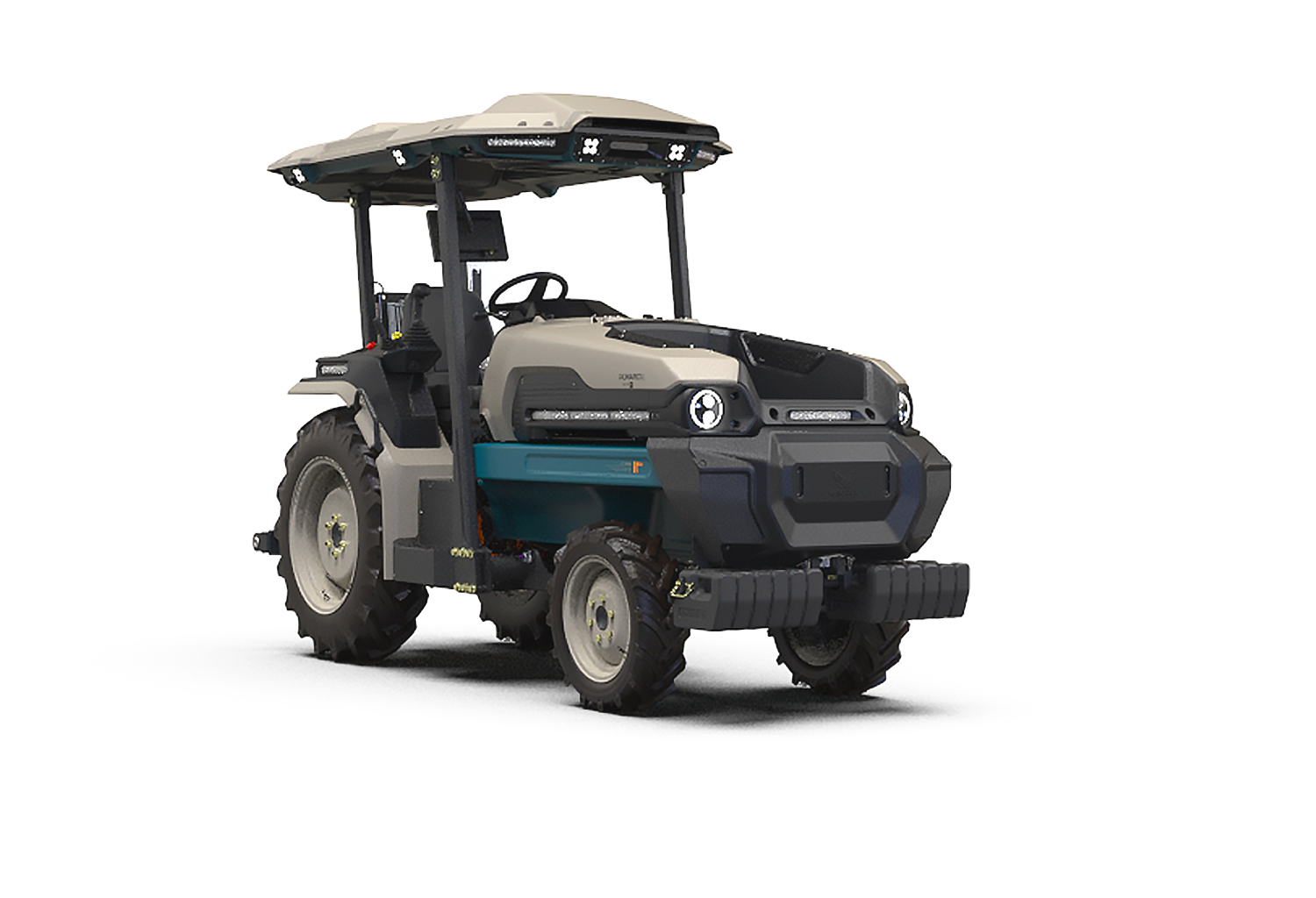
Monarch Tractor has raised $133M+ to build the MK-V autonomous electric tractor — a full-size tractor with driver-optional capability. While much larger than IM, Monarch proves the market for autonomous electric platforms in agriculture. Their approach of making existing form factors autonomous mirrors IM's potential agriculture play.
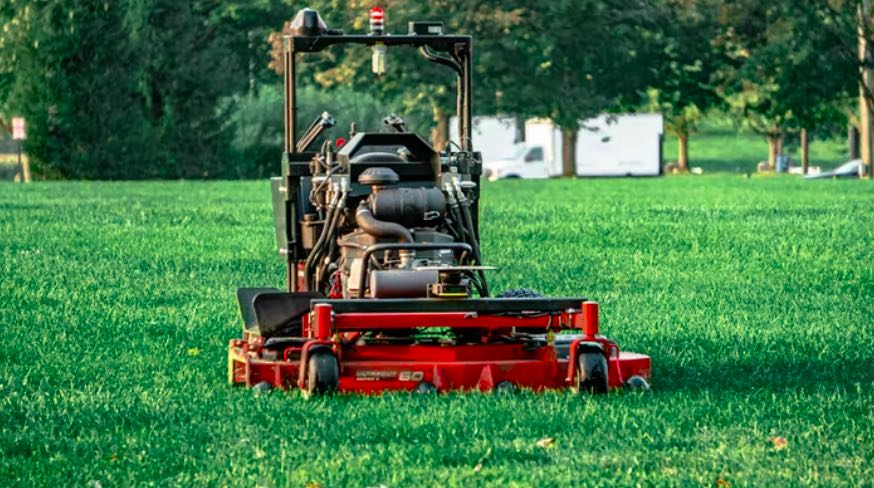
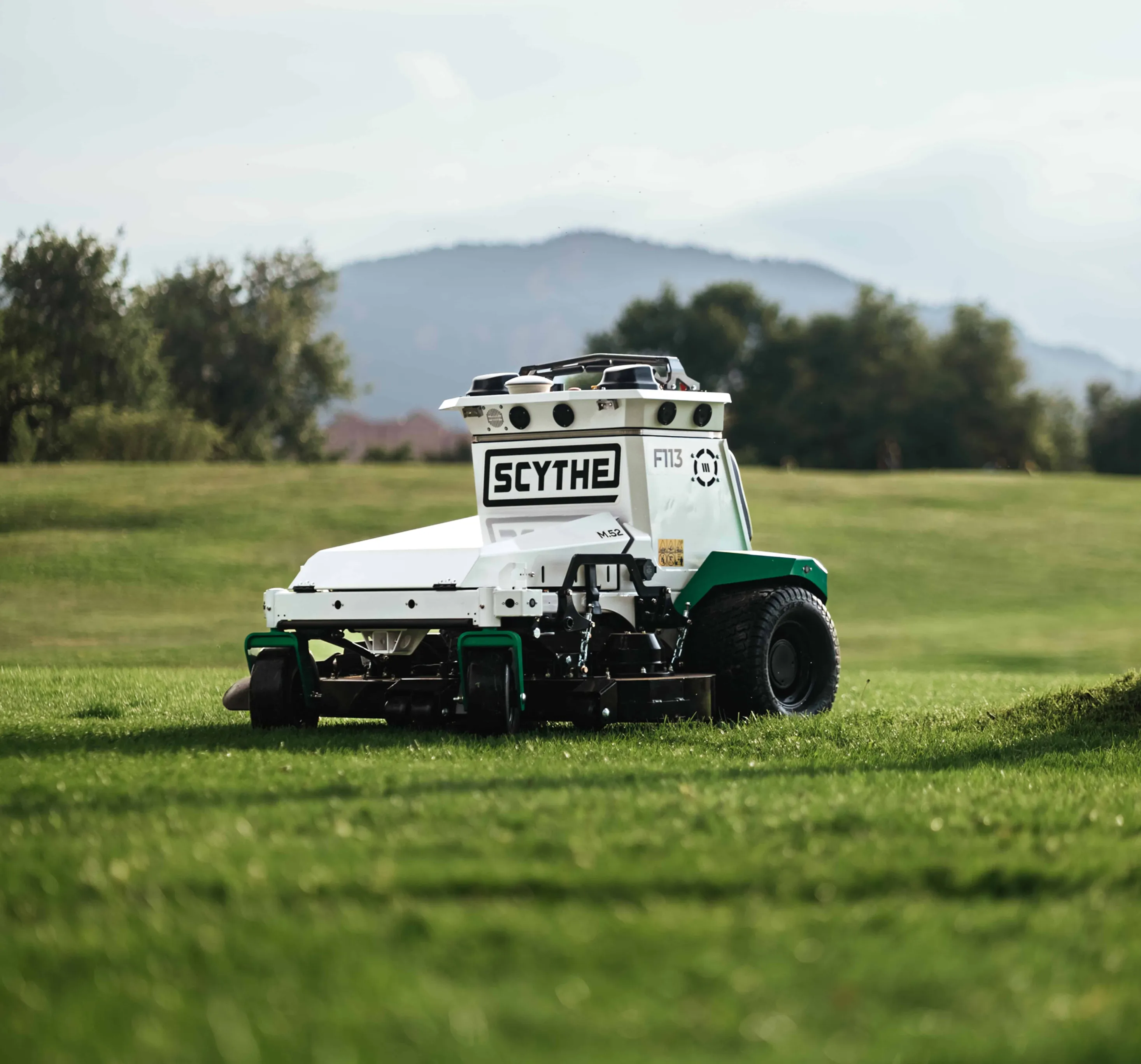
In outdoor maintenance, Scythe Robotics's M.52 autonomous commercial mower ($42M+ raised) and Electric Sheep's Dexter retrofit system demonstrate that the commercial landscaping industry is ready for autonomy. IM's platform could be adapted for similar use cases with appropriate attachments.
Consumer & Prosumer
The consumer segment is the largest by company count (25 companies) and represents both competitive pressure and market validation. Consumer robotics companies have normalized the idea of autonomous machines operating in everyday environments.
The consumer robot mower market (Husqvarna, Mammotion, Ecovacs GOAT) has achieved meaningful scale — Husqvarna alone sells hundreds of thousands of Automowers annually. These products prove consumer willingness to pay $1,500-$5,000 for outdoor autonomous robots, establishing a price expectation that IM's $15K-$30K platform must justify through dramatically expanded capability.
The Humanoid Wave
The humanoid robotics boom represents 8 companies in our tracking, collectively raising over $3B in venture capital. While humanoids don't directly compete with IM's wheeled platform, they are reshaping investor expectations and talent markets for all robotics companies.
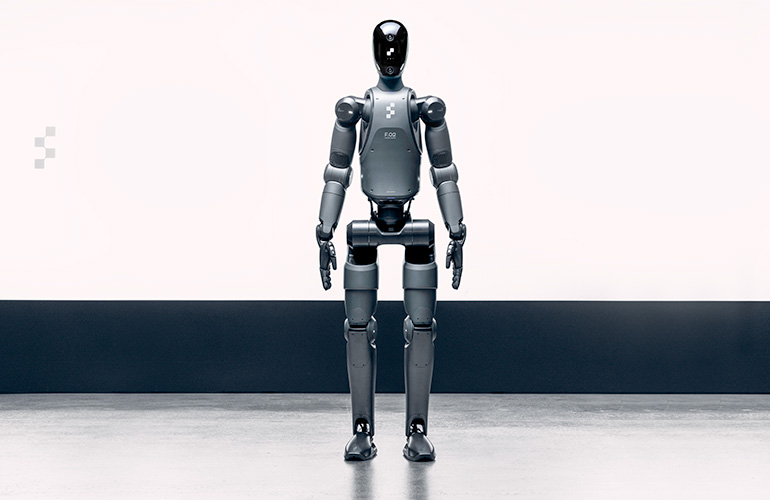
Figure AI
Series B ($675M+)
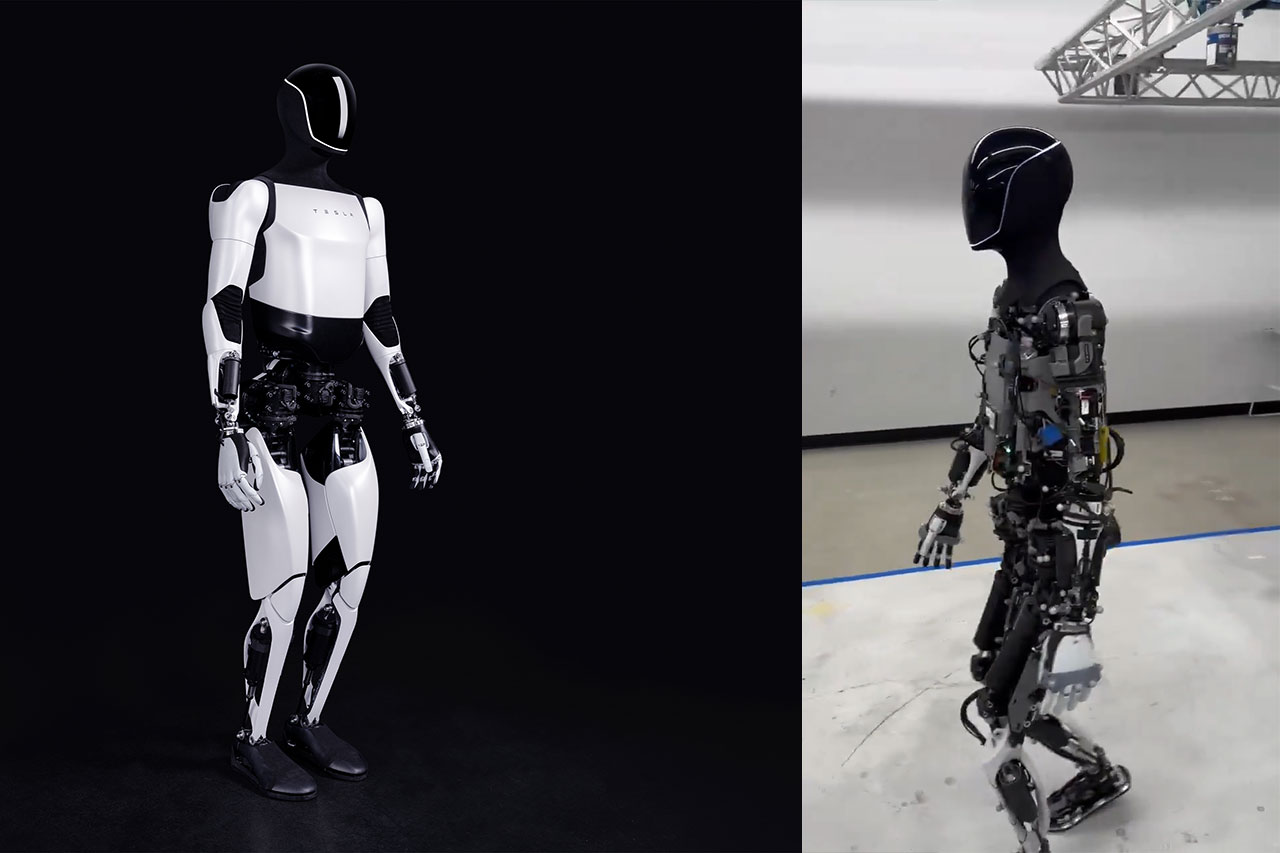
Tesla (Optimus)
Public (NASDAQ: TSLA)
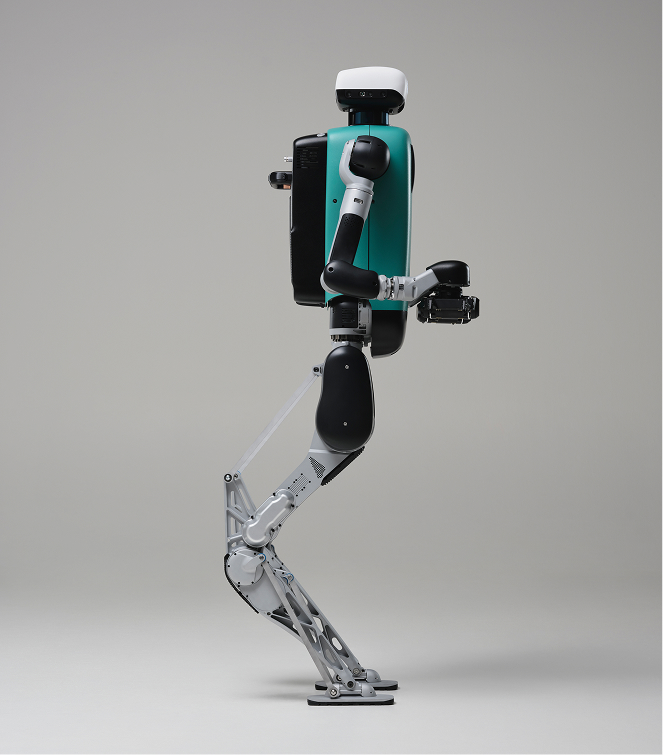
Agility Robotics
Series B ($178M+)

Apptronik
Series A ($150M+)
Figure AI ($675M+ raised) and Tesla (Optimus) (Optimus) have captured the most attention, but Agility Robotics is arguably closest to commercial deployment with their Digit robot and dedicated RoboFab manufacturing facility targeting 10,000 units/year. Unitree Robotics's G1 humanoid at under $16,000 threatens to commoditize the form factor from the bottom.
Implication for IM: The humanoid wave is attracting disproportionate capital and talent to robotics overall, which benefits the entire ecosystem. However, it also raises the bar for what investors and customers expect from "autonomous robots," and IM should position its platform's practical, deployable-today capabilities against humanoids' longer timeline to commercial viability.
Security & Patrol
Autonomous security represents one of IM's most immediate adjacent opportunities, with 6 companies tracked in this segment.
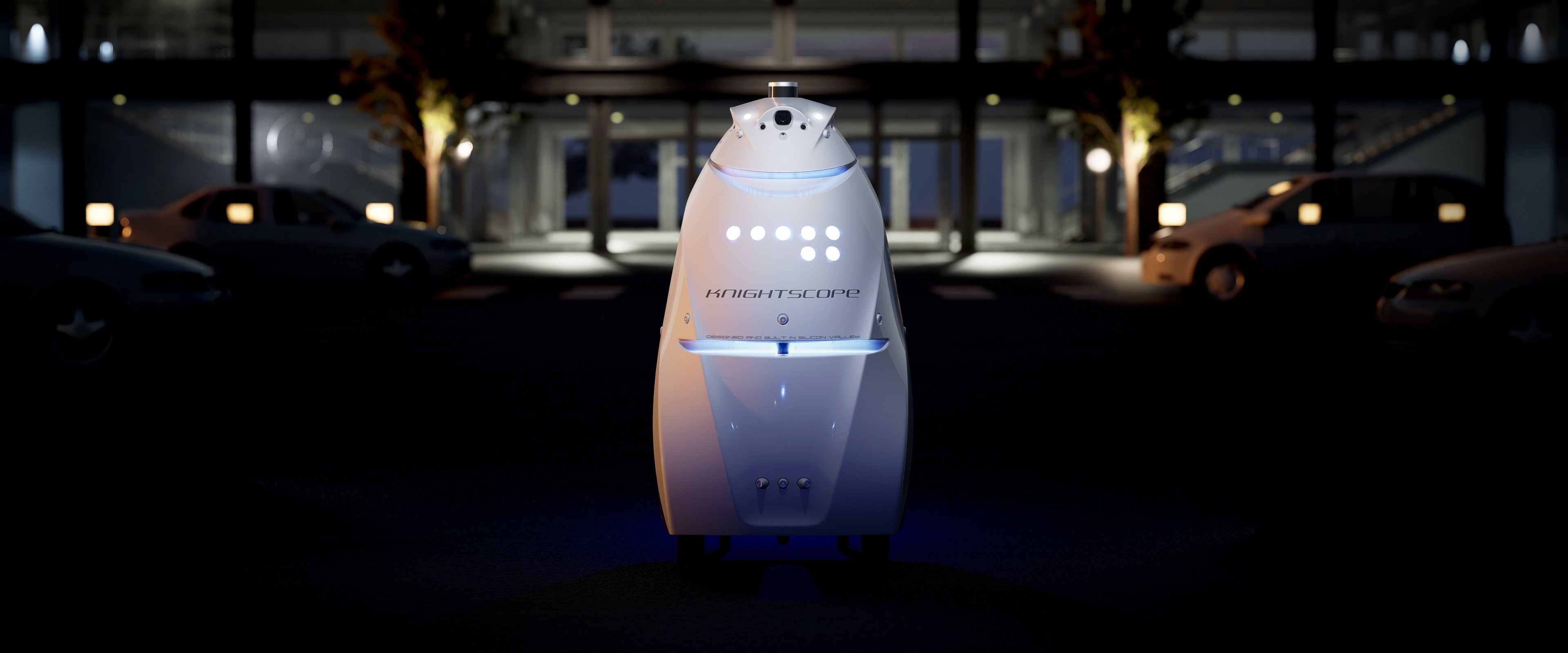
Knightscope (NASDAQ: KSCP) is the public-market leader in autonomous security robots. Their K5 outdoor patrol robot (~420 lbs) operates 24/7 with thermal imaging, license plate recognition, and people detection. At a ~$7-10/hr Robot-as-a-Service model, Knightscope has validated the business model for autonomous patrol. Their K7 all-terrain model (770 lbs, deploying 2026) moves even closer to IM's weight class.
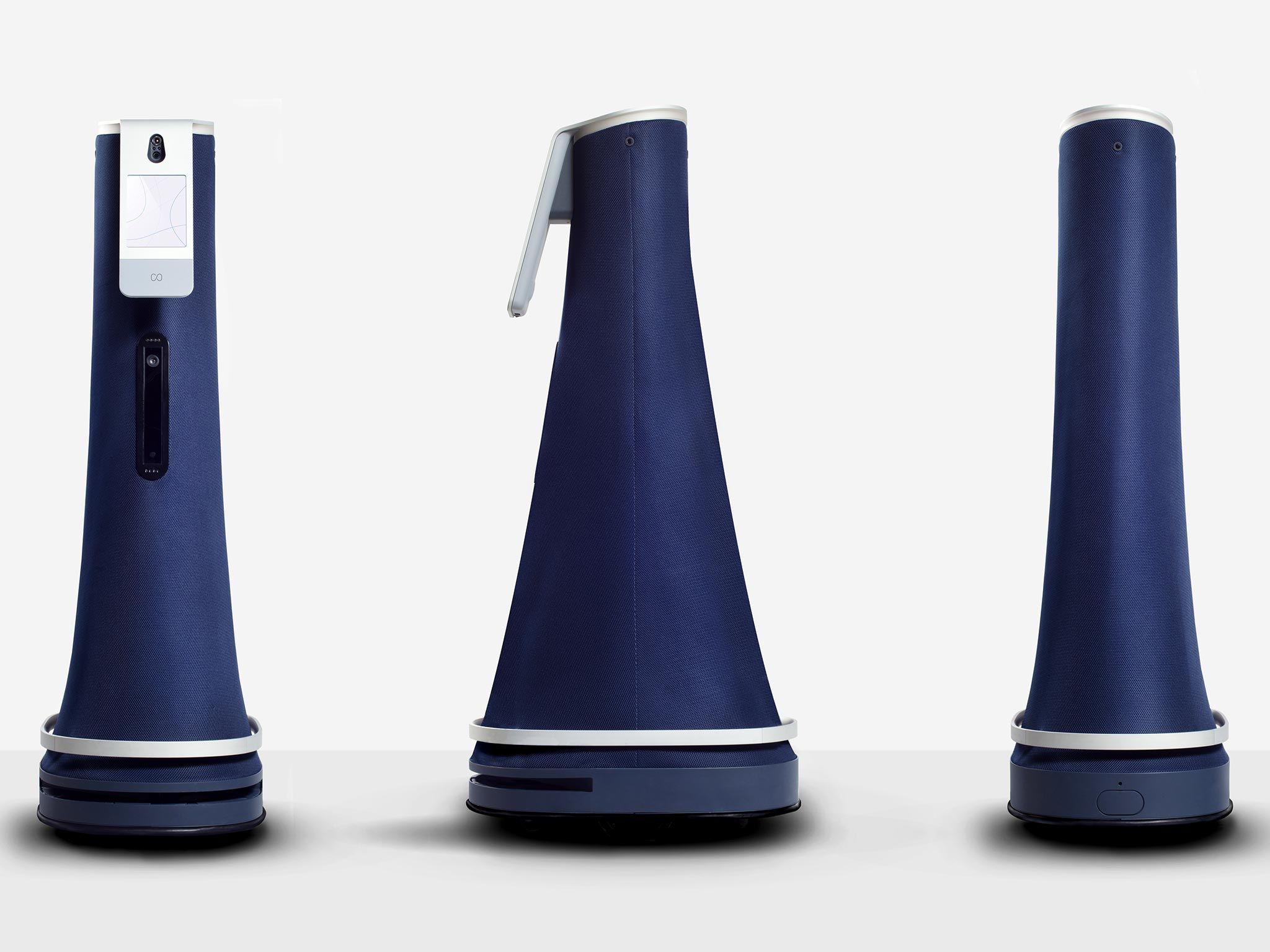
Swiss startup Ascento takes a different approach with a two-wheeled balancing robot that can navigate curbs and rough terrain — demonstrating that the market values outdoor mobility over raw payload. Cobalt Robotics focuses on indoor security with a human-in-the-loop model.
Opportunity for IM: IM's platform — faster (20+ mph vs. 3 mph), longer range (50+ miles vs. 8-hour patrol), and capable of carrying security payloads (500+ lbs) — could serve as a next-generation security platform for large campuses, industrial sites, and perimeter patrol where current robots are too slow or limited.
Full Landscape Overview
The complete competitive landscape spans 56 companies across 10 market segments. Below is the full roster organized by competitive proximity to Infinite Machine.
Direct Overlap (3)
Partial Overlap (9)
Ark Robotics
Tallinn, Estonia / Kyiv, Ukraine
Ghost Robotics
Philadelphia, PA
Levtek
Australia
Knightscope
Mountain View, CA
Club Car
Augusta, GA
Segway-Ninebot
Beijing, China
Greensi
Melbourne, Australia
Unitree Robotics
Hangzhou, China
Ascento
Zurich, Switzerland
Adjacent Market (9)

Tangential (19)

Hello Robot
Atlanta, GA

Waveshare
Shenzhen, China

Scout AI
USA
Nuro
Mountain View, CA
Starship Technologies
San Francisco, CA

Serve Robotics
Los Angeles, CA

Teleo
Palo Alto, CA
Built Robotics
San Francisco, CA
Cobalt Robotics
San Mateo, CA
Electric Sheep
San Francisco, CA
Bear Robotics
Redwood City, CA
Pudu Robotics
Shenzhen, China
Scythe Robotics
Longmont, CO
Cartken
San Francisco, CA
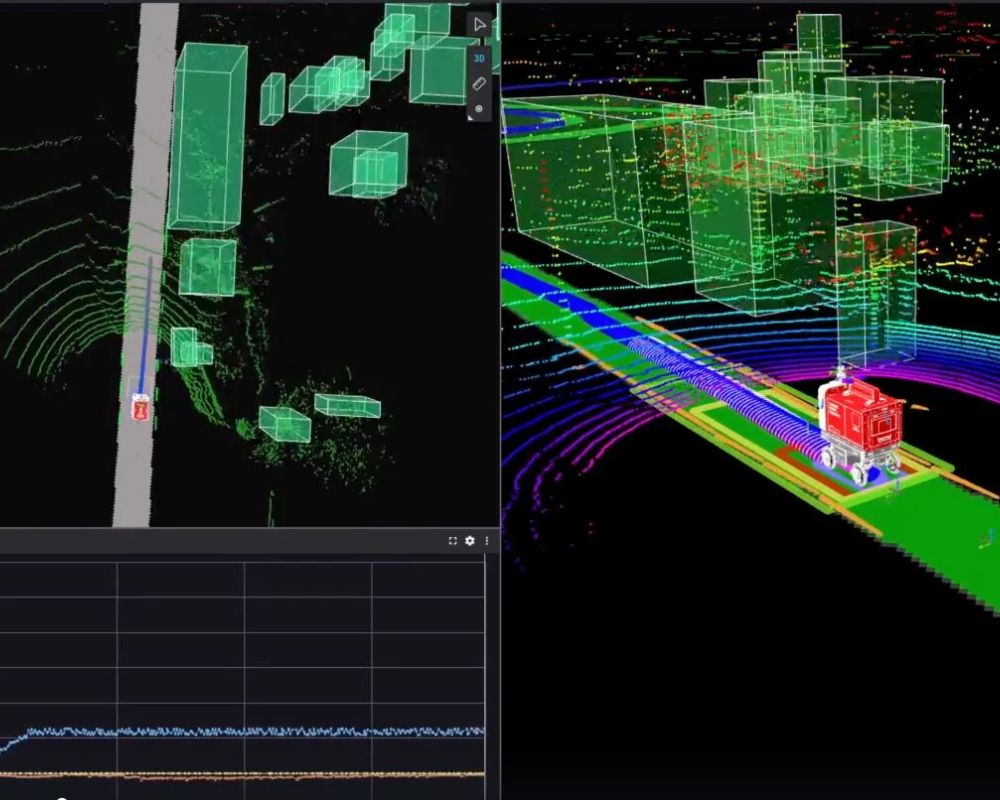
Ottonomy
Brooklyn, NY
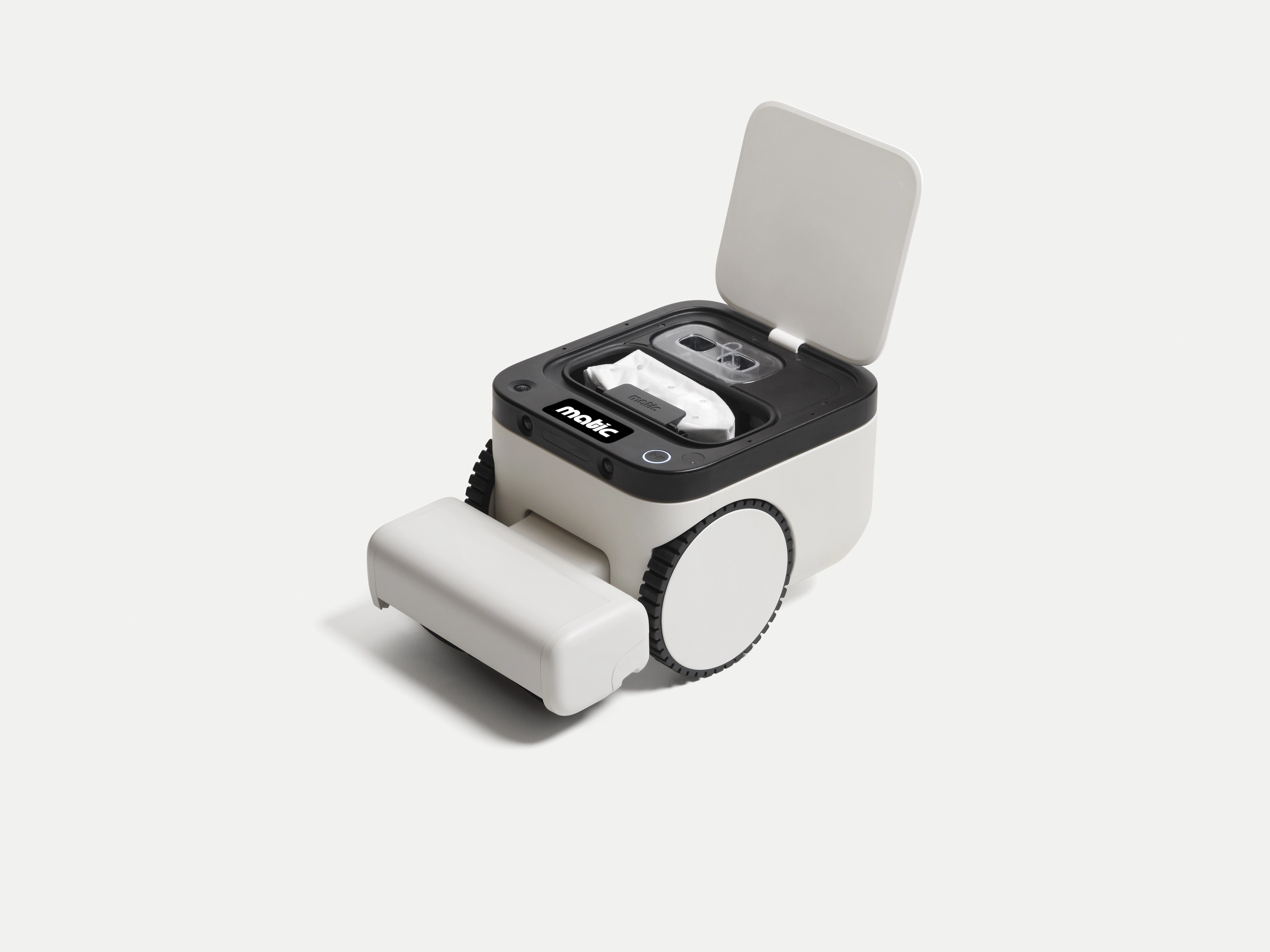
Matic Robots
Mountain View, CA
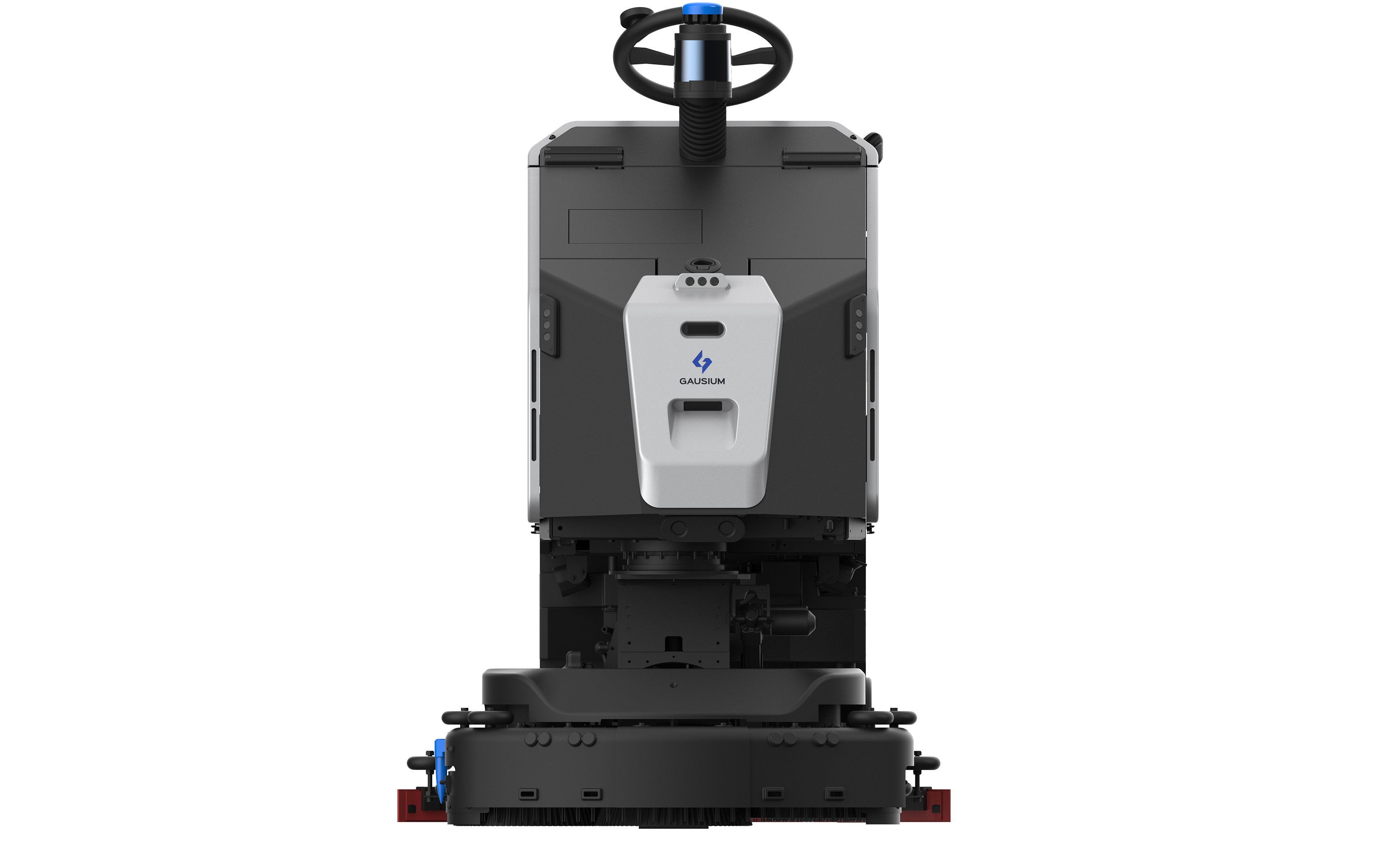
Gaussian Robotics (Gausium)
Shanghai, China
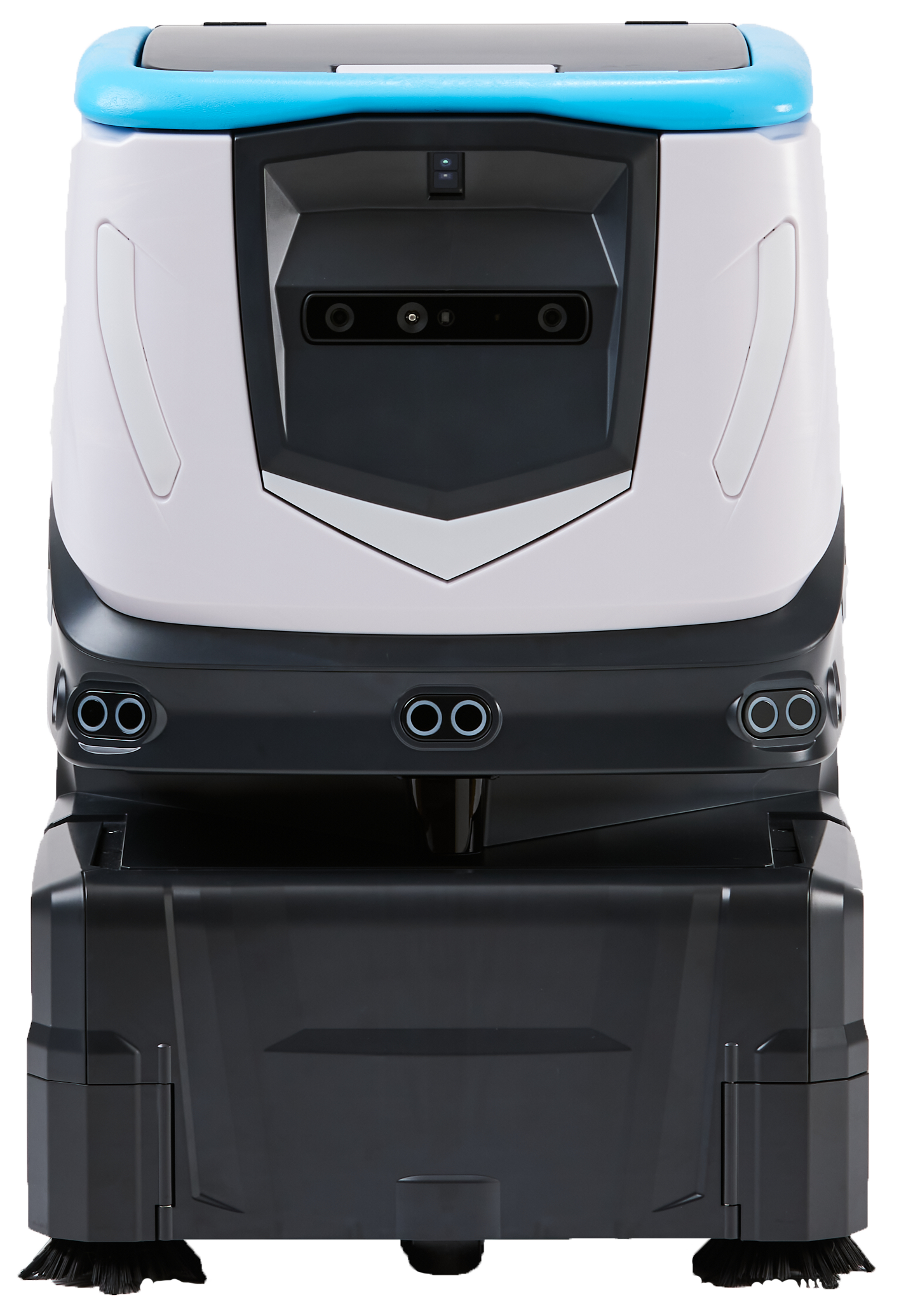
ICE Cobotics
Hong Kong (offices in Zeeland, MI; Shanghai; Amsterdam)
SoftBank Robotics
Tokyo, Japan
Ecosystem (16)

Hiwonder
Shenzhen, China
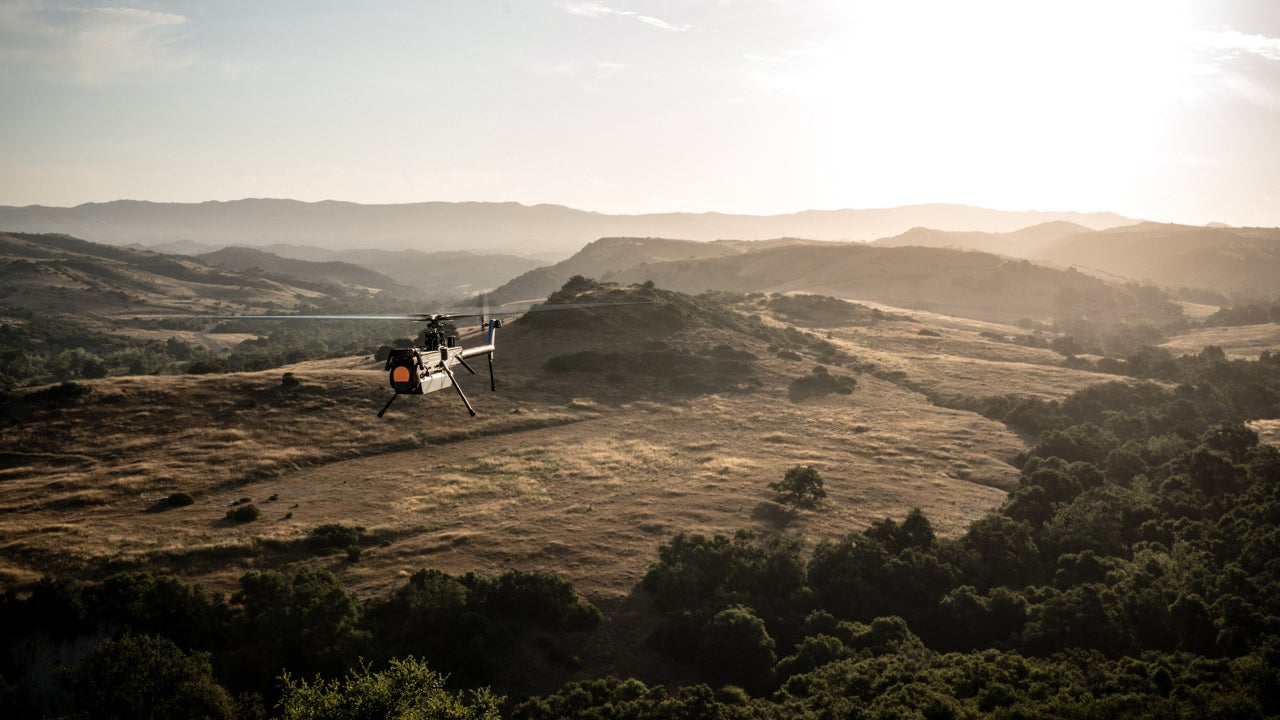
Anduril Industries
Costa Mesa, CA
Palantir Technologies
Denver, CO
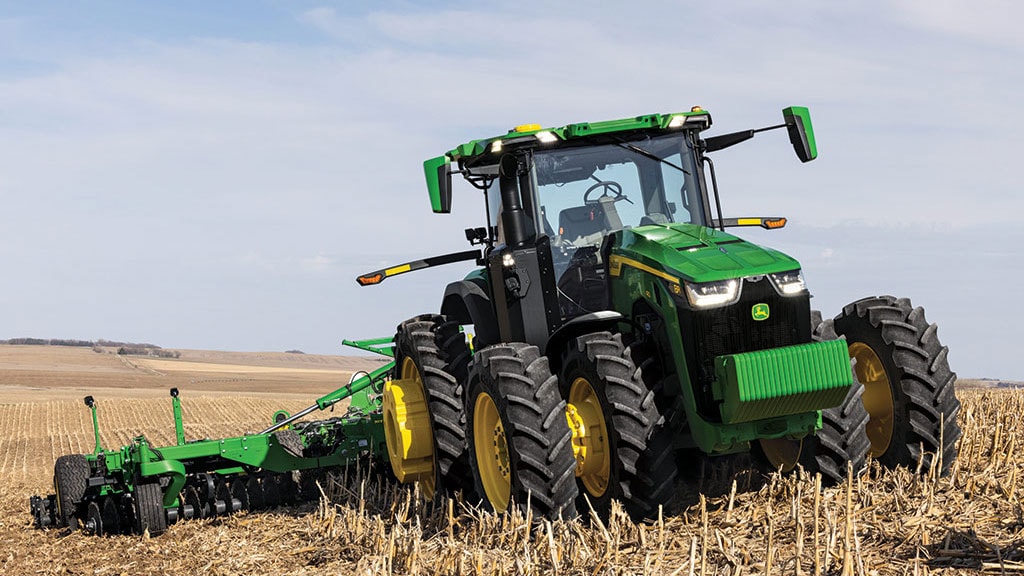
John Deere
Moline, IL
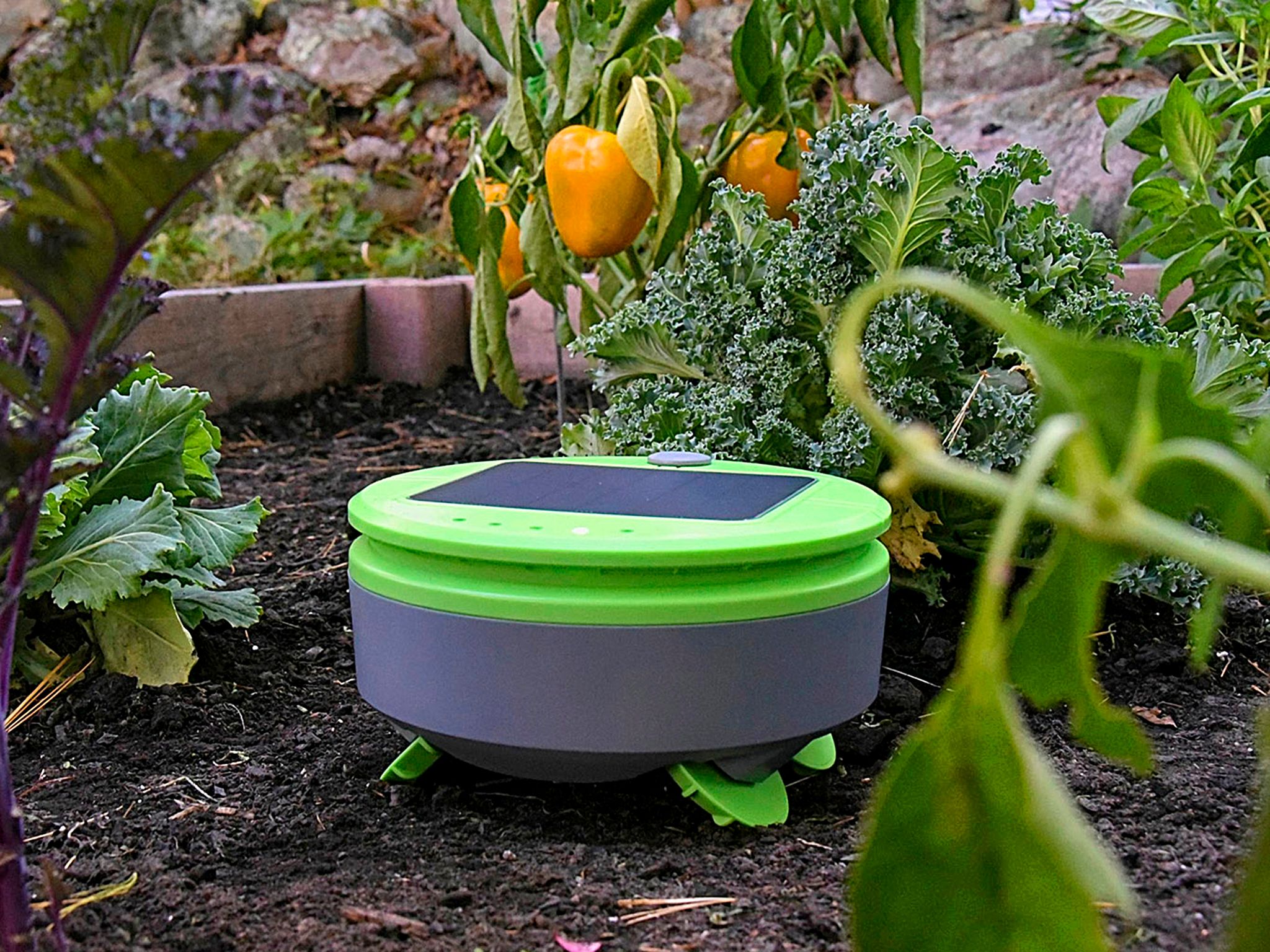
Tertill (Franklin Robotics)
Massachusetts
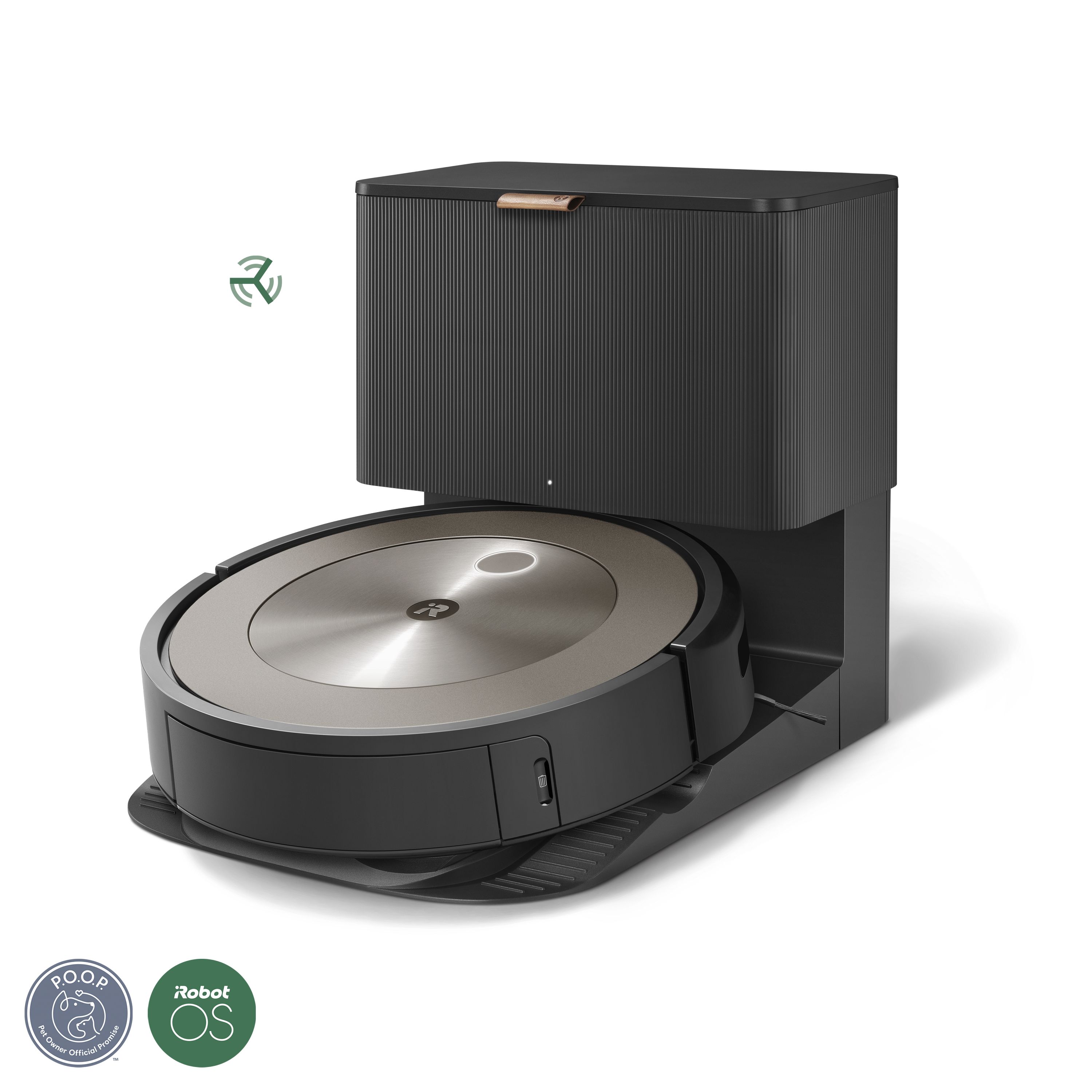
iRobot
Bedford, MA

Husqvarna
Stockholm, Sweden
Figure AI
Sunnyvale, CA
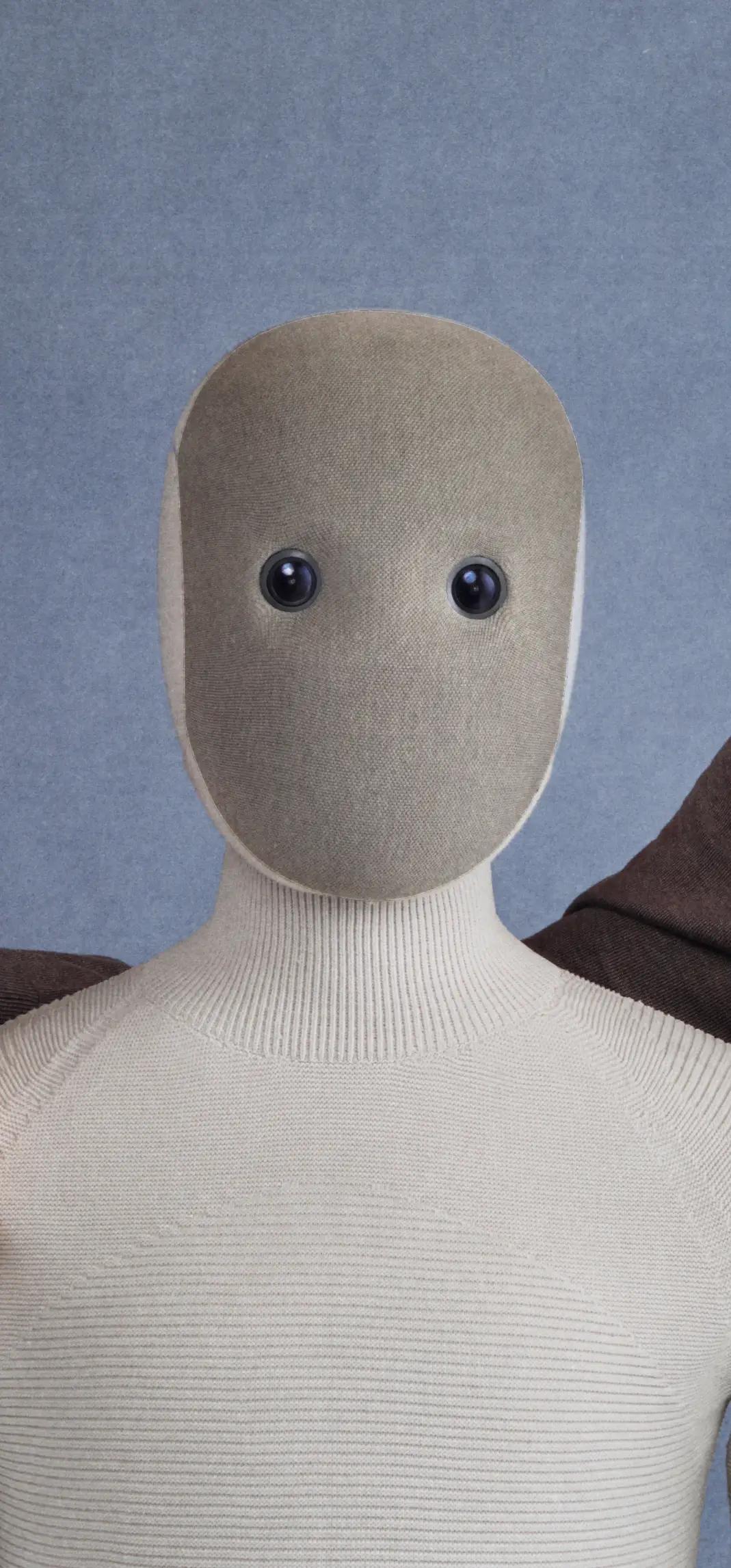
1X Technologies
Moss, Norway
Tesla (Optimus)
Austin, TX
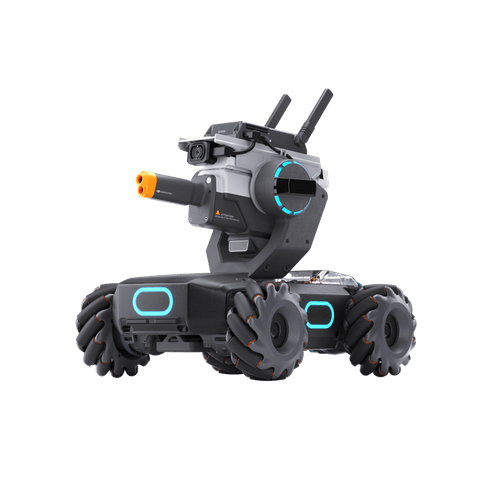
DJI
Shenzhen, China
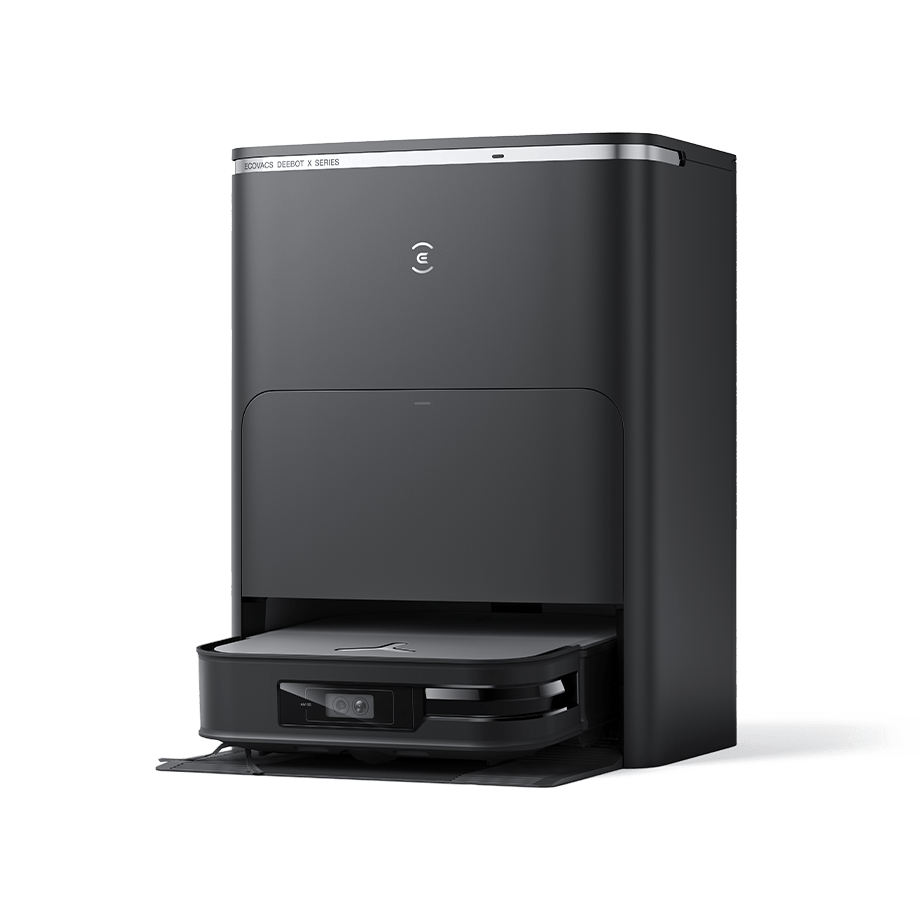
Ecovacs
Suzhou, China
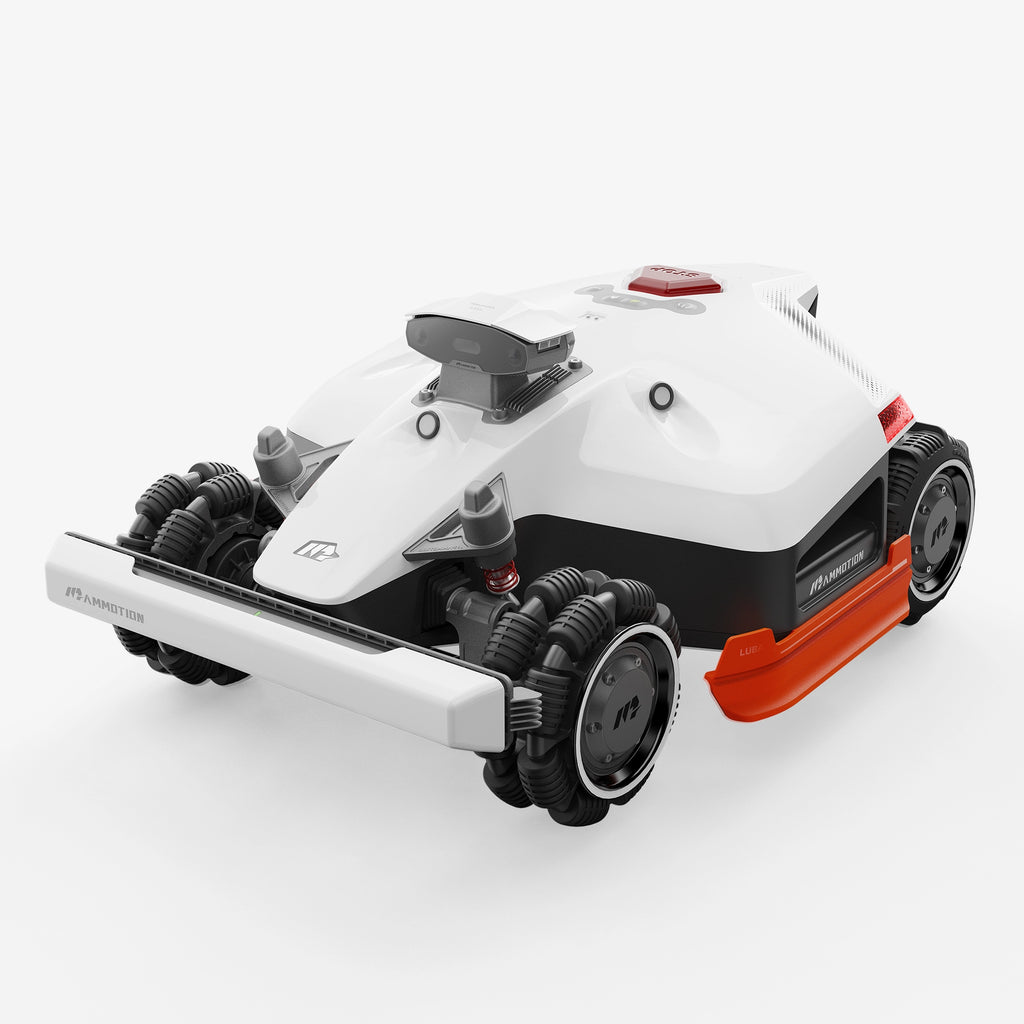
Mammotion
Shenzhen, China
Agility Robotics
Corvallis, OR
Apptronik
Austin, TX

Sanctuary AI
Vancouver, BC
Key Takeaways
1. No single competitor matches IM's full spec
IM's combination of weight class (~250 lbs), payload (500+ lbs), speed (20+ mph), range (50+ miles), and autonomy (L3-L4) at a $15K-$30K price point is unique in the market. Competitors either match on 2-3 specs or serve entirely different use cases.
2. The autonomy stack is the moat
Multiple competitors (Clearpath, Cartken, Starship) have proven that robust outdoor autonomy is achievable. IM's differentiation must come from the combination of autonomy + physical capability + price, not autonomy alone.
3. Chinese competitors are accelerating
AgileX, Unitree, and DJI demonstrate that Chinese robotics companies can deliver comparable hardware at 50-80% lower price points. IM should expect pricing pressure to increase and differentiate on software, support, and ecosystem.
4. Security and agriculture are the nearest opportunities
Both segments have proven willingness to pay for autonomous ground platforms and have clear gaps that IM's specs can fill — faster/longer-range patrol robots and mid-size autonomous farm vehicles.
5. The humanoid boom is a double-edged sword
Massive humanoid investment ($3B+) raises the profile of all robotics but also redirects talent and capital away from wheeled platforms. IM should leverage the attention while emphasizing near-term deployability.
6. Platform modularity is the strategic play
The most successful competitors (Clearpath, Applied EV, AgileX) sell configurable platforms rather than single-purpose robots. IM's multi-use design is well-aligned with this market trend.
This report is auto-generated from Infinite Machine's competitive intelligence database. View the full interactive dataset at Companies, Products, and Market Map.