Roomba
2002iRobot
ConsumerAutonomousHomeMass Market
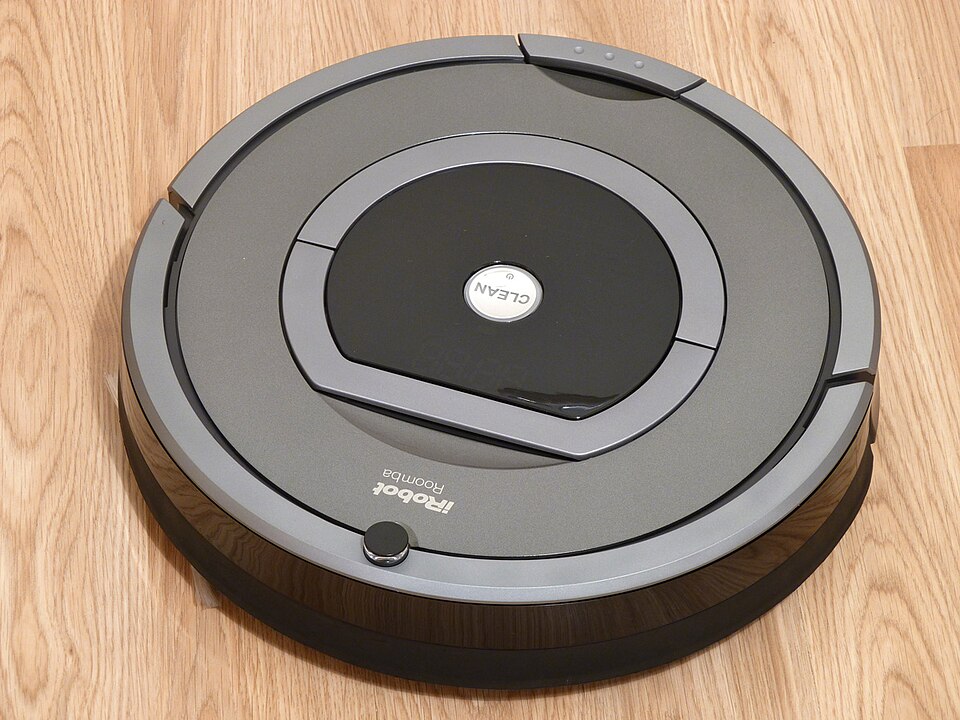
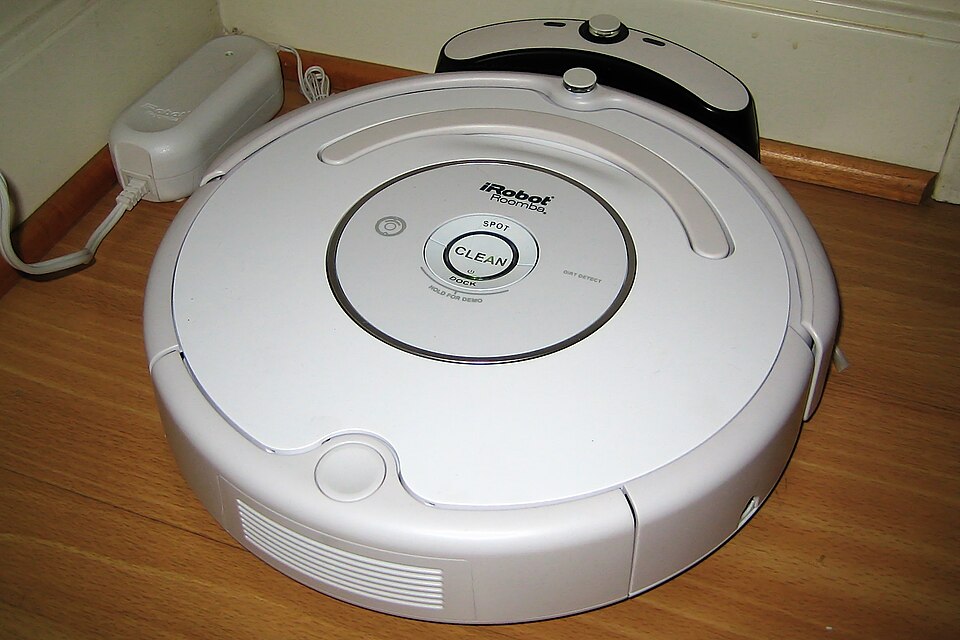
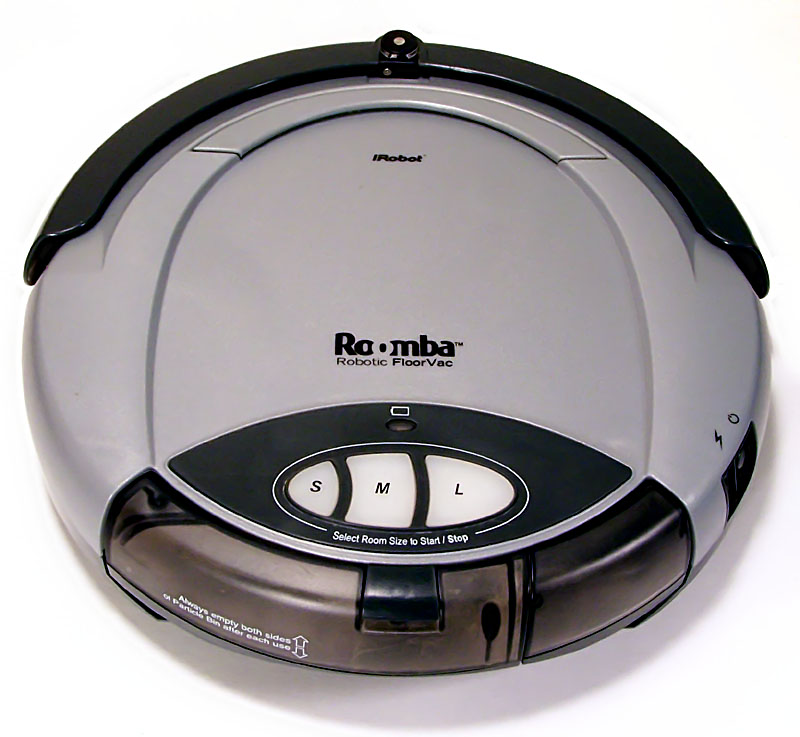
The robot that proved the consumer market was real. Before Roomba, home robots were science fiction. iRobot's robot vacuum sold over 40 million units and fundamentally shifted public perception of what robots could be. It wasn't humanoid, it wasn't flashy — it was a disc that cleaned your floor. Roomba's genius was in its constraints: it did one thing, did it well enough, and was priced for ordinary households. It proved that the path to consumer robotics runs through utility, not spectacle. The design philosophy — simple, reliable, useful — is one every consumer robotics company should study.
Relevance for Infinite Machine
Roomba is the most commercially successful consumer robot ever. Its lesson is clear: constrain the problem space, nail reliability, price for the mass market. Spectacle is not a business model.
Gallery