Grey Walter's Tortoises
1948W. Grey Walter
AutonomousBehavior-BasedResearchPioneering
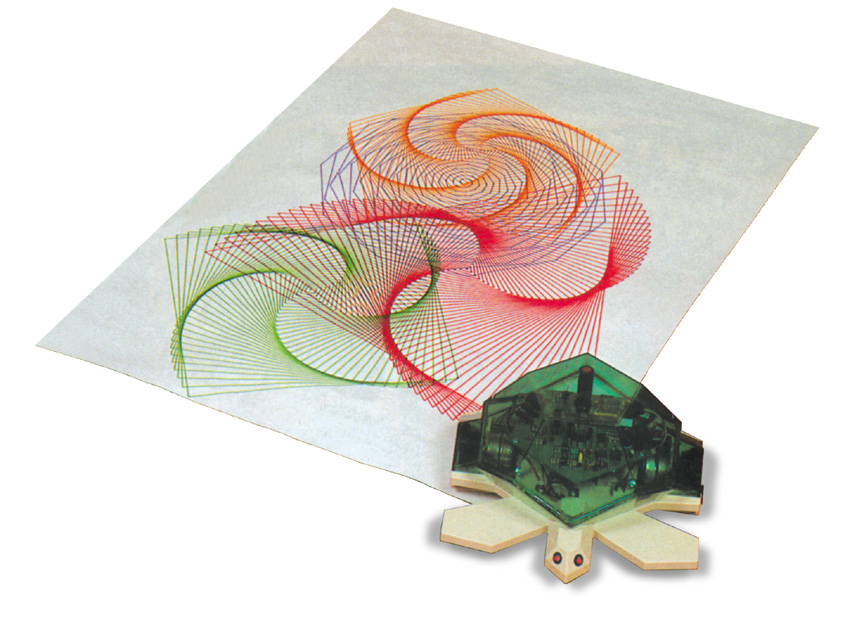
Neurophysiologist W. Grey Walter built Elmer and Elsie (also known as "tortoises") at the Burden Neurological Institute in Bristol, England. These small, three-wheeled machines had only two vacuum tubes, two sensors (a photoelectric cell and a bump sensor), and two motors — yet they exhibited surprisingly complex behavior. They would seek light, avoid obstacles, and even "dance" with their own reflections. Walter called them Machina speculatrix. They demonstrated that complex, seemingly intelligent behavior could emerge from very simple rules — a principle that would become foundational to behavior-based robotics 40 years later when Rodney Brooks formalized it at MIT.
Relevance for Infinite Machine
Walter's tortoises proved that you don't need complex intelligence to create useful autonomous behavior. Simple rules + good sensors = emergent capability. This principle applies directly to designing early-stage autonomous systems for IM.